The hum of servers fills the air, a constant thrum in the corner of the office. It’s late, but the engineering team at Adept AI is still huddled around a monitor, eyes glued to the thermal readings. They’re running tests on their latest large language model, trying to push the limits of its processing capabilities. The goal: to surpass the performance benchmarks set by OpenAI’s GPT-4, or maybe even the rumored GPT-5, by the end of 2026. The stakes are high, and the competition is fierce.
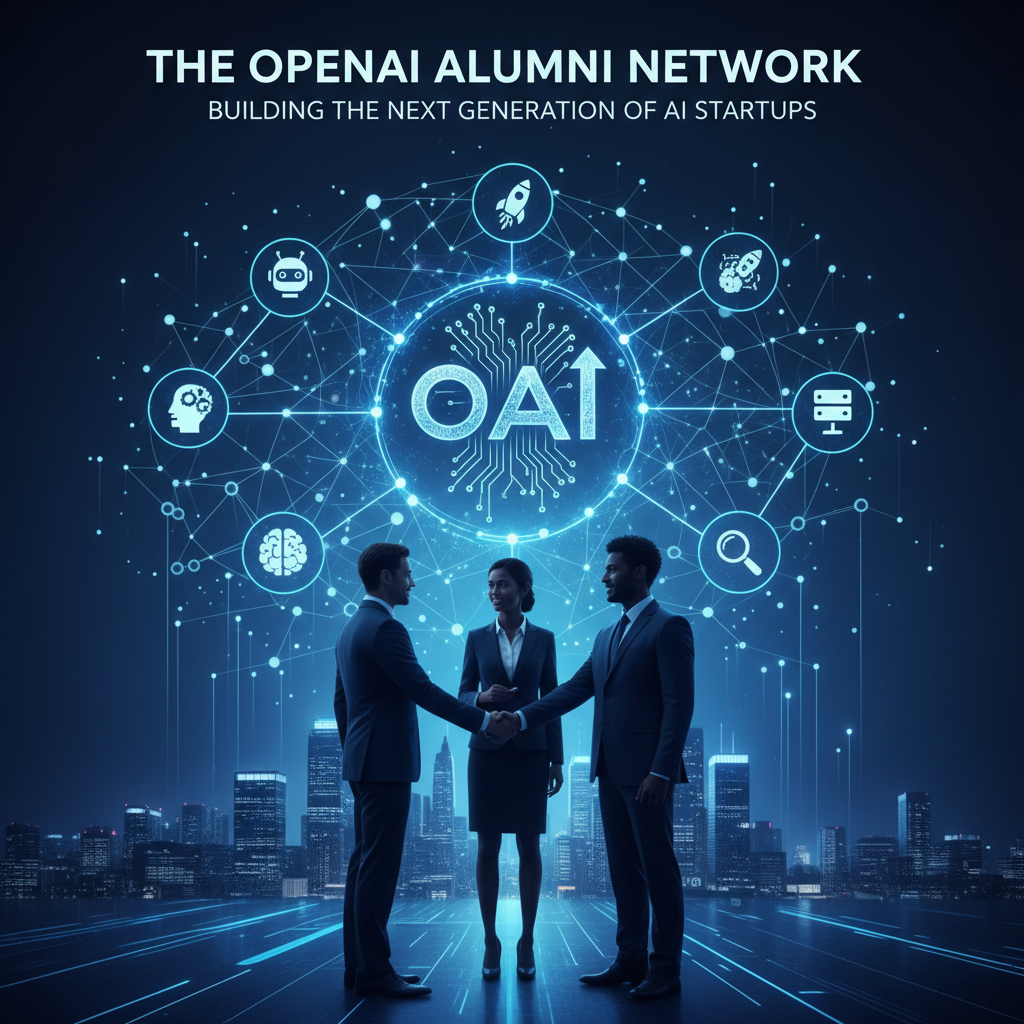
Adept AI isn’t alone. It’s one of a growing number of startups founded by alumni of OpenAI, the AI research and deployment company that has become a breeding ground for entrepreneurial talent. According to a TechCrunch analysis from February 20, 2026, at least fifteen notable startups have been launched by former OpenAI employees, collectively raising billions in venture capital. This ‘OpenAI mafia,’ as some are calling it, is reshaping the AI landscape, bringing with them a wealth of experience and a shared vision for the future of artificial intelligence.
The core of this trend lies in a confluence of factors. First, there’s the talent. OpenAI has attracted some of the brightest minds in AI, and their departure to start their own companies reflects a desire to build something new, to iterate faster, and to control their own destiny. Second, there’s the funding. Venture capitalists are eager to back these OpenAI veterans, betting on their technical expertise and network of contacts. One analyst at Ark Invest noted, “These founders have a huge advantage. They understand the cutting edge, and they have the relationships to build it.”
The technical challenges are immense. Training large language models (LLMs) requires massive computational power, often reliant on specialized hardware like GPUs. Companies are racing to secure supplies of these chips, with manufacturing constraints at TSMC and export controls affecting the availability of advanced semiconductors. The race to develop more efficient hardware – chips capable of handling the complex matrix math that LLMs depend on – is a parallel effort, and one that is just as critical. The whispers in the industry are about the next generation of chips: the M100, then the M300. The timelines? 2026, 2027. The performance metrics? Closely guarded secrets.
The strategic implications are considerable. The success of these startups could fragment the AI market, creating a more diverse ecosystem of specialized models and applications. It could also accelerate innovation, as these companies compete to develop the next breakthrough. The regulatory landscape is also a factor, with governments around the world grappling with how to govern AI development and deployment. The US export rules and domestic procurement policies are already impacting the flow of technology and talent.
Inside the Adept AI office, the engineers are still at it. The thermal readings are looking better, but there’s still work to do. They know the competition is relentless, and the window of opportunity is closing. The future of AI is being built, one line of code, one chip, one startup at a time.
About the Author