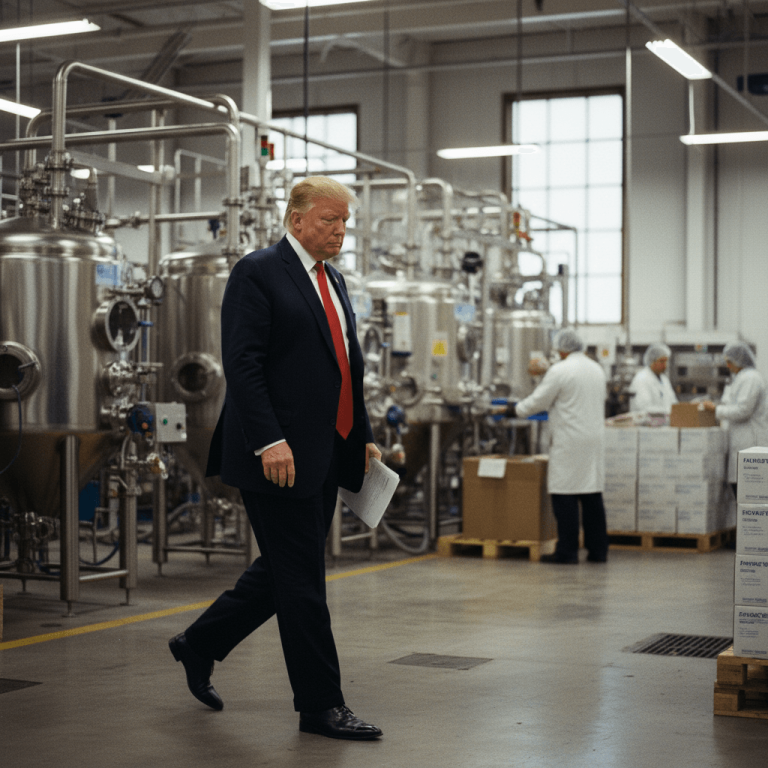
The hum of servers filled the air as the engineering team at a Bengaluru-based AI startup huddled around a thermal imaging display. They were running stress tests on a new batch of GPUs, hoping to squeeze out a few more teraflops of performance. Their goal? To get ahead of the curve in the rapidly evolving landscape of AI hardware.
India’s recent decision to join the US-led Pax Silica initiative, announced on December 2023, is a significant move. The initiative is designed to strengthen AI and technology supply chains. This collaboration, as stated in the official declaration, positions resilient technology and industrial supply chains as central to economic security. It also identifies artificial intelligence as a transformative force for long-term global prosperity. The move is a clear indication of India’s commitment to becoming a major player in the global technology arena.
“This is about more than just chips,” says Dr. Priya Sharma, a semiconductor analyst at the Lilly School, speaking from a recent industry conference. “It’s about control. Control over the future of AI, over the critical minerals that power it, and over the supply chains that make it all possible.”
The Pax Silica initiative is a direct response to the vulnerabilities exposed by the global chip shortage and the increasing geopolitical tensions surrounding technology. The United States and its allies are seeking to build more resilient supply chains, reducing their reliance on any single source. This is especially true for advanced semiconductors, which are essential for AI development.
The implications are far-reaching. For Indian startups, this could mean easier access to advanced chip technologies, potentially accelerating their AI development efforts. For the Indian government, it means a stronger position in international trade negotiations and a greater ability to shape the future of technology. But it is not without challenges. The global chip market is dominated by a few players, and building a truly independent supply chain will take time and significant investment. Think of the 2026/2027 timelines for next-gen processors.
The next generation of processors, like the M300, are expected to provide significantly improved performance, but they also require advanced manufacturing processes that are currently concentrated in a few locations, like Taiwan’s TSMC. The US government, for its part, has been pushing domestic procurement policies to boost the local industry.
The conference call went silent for a beat. The lead engineer, a man named Akash, finally spoke, “So, we’re looking at a 15% performance gain… or maybe that’s how the supply shock reads from here.”
The partnership also opens doors for India to develop its own domestic chip manufacturing capabilities. Although India currently lags behind other major players in this area, the government has been investing heavily in the sector. This includes initiatives to attract foreign investment and to encourage the development of local talent. The goal is to create a complete ecosystem, from chip design to manufacturing, that will make India a major player in the global semiconductor industry. This is crucial for long-term economic security and technological self-reliance.
The Indian government has also been working to streamline export controls and domestic procurement policies. However, the path ahead is not clear. The global chip market is complex, and building a truly independent supply chain will require a sustained effort. But the potential rewards are significant: economic growth, technological leadership, and a stronger position in the world.
As the engineers returned to their thermal tests, it was clear that the future of AI was being built, chip by chip, line of code by line of code. India’s entry into Pax Silica is a strategic move that reflects this reality.
About the Author