India’s Steel Future: AI, Automation, and Green Manufacturing
The Indian steel industry is on the cusp of a significant transformation, driven by the imperative of global competitiveness and environmental sustainability. According to Steel Secretary Sandeep Poundrik, the integration of advanced technologies like artificial intelligence (AI) and automation is not merely an option but a necessity for achieving ambitious growth targets. This shift towards smart manufacturing is critical for India’s steel sector to meet its goals for the coming decade and beyond.
The Technological Imperative
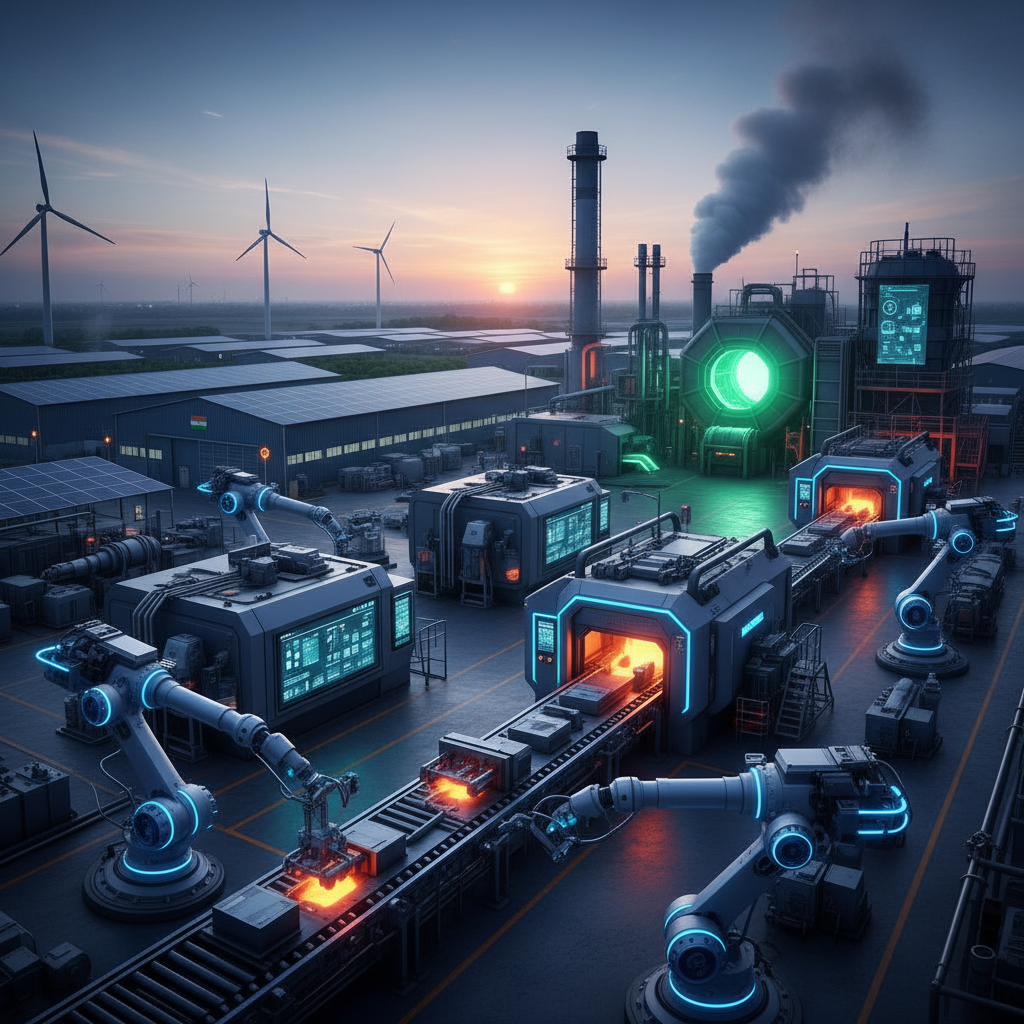
At the heart of this transformation lies the adoption of several key technologies. These include:
- AI-driven process control systems: These systems allow for optimized operations, improving efficiency and reducing waste.
- Intelligent automation: Automating processes enhances productivity and precision, ultimately lowering operational costs.
- Digital twins: Using digital replicas of physical assets enables real-time monitoring and predictive maintenance.
- Advanced analytics: Data-driven insights provide a deeper understanding of processes, aiding in informed decision-making.
The Steel Secretary underscores that these technologies are not disparate elements but rather integrated components of a larger strategy. They are designed to work in concert to achieve the desired outcomes of increased capacity, improved operational efficiency, and reduced environmental impact.
Capacity Building and Growth
India has set ambitious goals to significantly increase its crude steel capacity. The strategic vision includes substantial expansions by 2030-2031 and further growth by 2035-2036. To realize these targets, the industry must embrace technologies that facilitate intelligent capacity utilization. This means optimizing the use of existing infrastructure while preparing for future expansions. Furthermore, real-time monitoring, enabled by digital twins and advanced analytics, will be crucial to maintaining optimal performance across all operations.
Decarbonization and Environmental Responsibility
The push for a greener steel industry is a vital aspect of this technological transformation. The integration of AI and automation supports decarbonization efforts by optimizing energy consumption, reducing emissions, and promoting the use of sustainable practices. The industry’s commitment to environmental responsibility is becoming increasingly important, aligning with global standards and consumer expectations.
The Path Forward
As the Indian steel sector moves forward, the adoption of AI-driven systems and automation will be pivotal. The insights provided by Steel Secretary Sandeep Poundrik highlight the strategic importance of these technologies in securing the industry’s future. By embracing these changes, the Indian steel industry is positioning itself to be a global leader in both production and sustainability.
Source: Industry-Economic Times
About the Author