India’s E-Waste Gamble: Mining Critical Minerals for a High-Tech Future
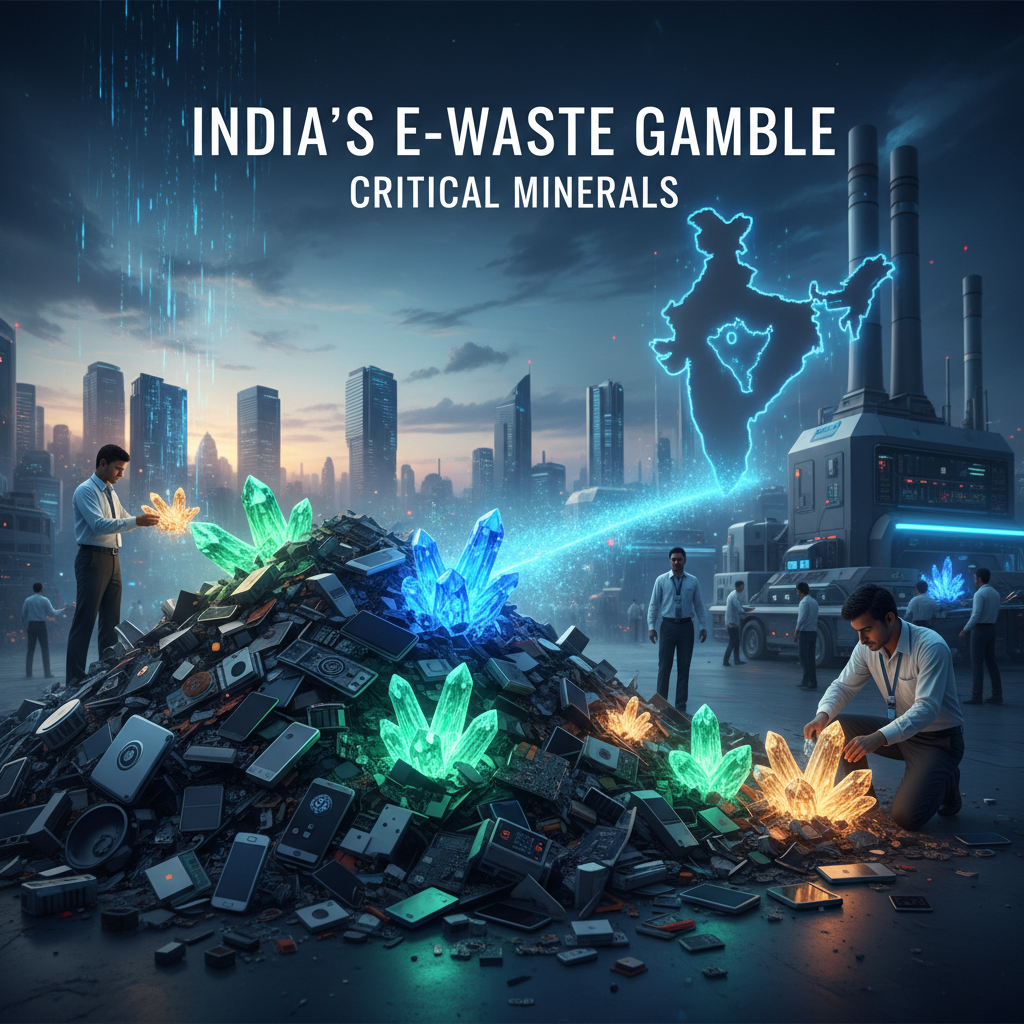
India is embarking on an ambitious endeavor, transforming its growing mountain of discarded electronics into a strategic asset. The nation is strategically focusing on e-waste recycling to extract critical minerals, a move that could reshape its technological and economic landscape. This initiative is a cornerstone of India’s broader policy to secure resources essential for powering its burgeoning tech industry, from smartphones to electric vehicles and defense applications.
The Critical Mineral Imperative
At the heart of this strategy lies the extraction of critical minerals. These are the unsung heroes of modern technology, the building blocks of everything from smartphones and laptops to fighter jets and electric vehicles. Minerals like lithium and cobalt are particularly crucial. Lithium is indispensable for batteries, while cobalt is a key component in various electronic devices and high-performance applications. By recovering these materials from e-waste, India aims to reduce its reliance on imports, bolster its domestic manufacturing capabilities, and gain a competitive edge in the global market.
The E-Waste Opportunity
The increasing volume of e-waste presents both a challenge and an opportunity. As technology advances and consumer habits evolve, the amount of discarded electronics is steadily rising. This creates an environmental concern, but it also represents a rich source of valuable materials. India’s policy leverages this by investing in advanced recycling technologies and infrastructure. This includes setting up specialized facilities and refining processes capable of efficiently extracting critical minerals from complex electronic components. The goal is to move beyond simply managing waste to actively mining it for its valuable components.
Policy and Manufacturing Synergies
This initiative is deeply intertwined with India’s broader policy objectives in electronics manufacturing. By securing a domestic supply of critical minerals, India can attract more investment in manufacturing, create jobs, and foster innovation. The policy also aims to promote sustainable practices and reduce the environmental impact of electronic waste. This dual approach – economic and environmental – aligns with global trends and positions India as a leader in responsible technology manufacturing. The focus on local sourcing and processing also insulates the industry from geopolitical risks associated with relying on foreign suppliers.
The Road Ahead
India’s e-waste initiative is a bold step toward self-sufficiency and technological advancement. While challenges remain, such as scaling up recycling operations and ensuring environmental compliance, the potential rewards are substantial. By successfully extracting critical minerals from e-waste, India can secure its technological future, reduce its carbon footprint, and become a more prominent player in the global electronics market. This strategy is not just about recycling; it’s about reimagining waste as a valuable resource and building a sustainable, high-tech future.
About the Author