India’s Wholesale Inflation Hits 10-Month High: A Deep Dive
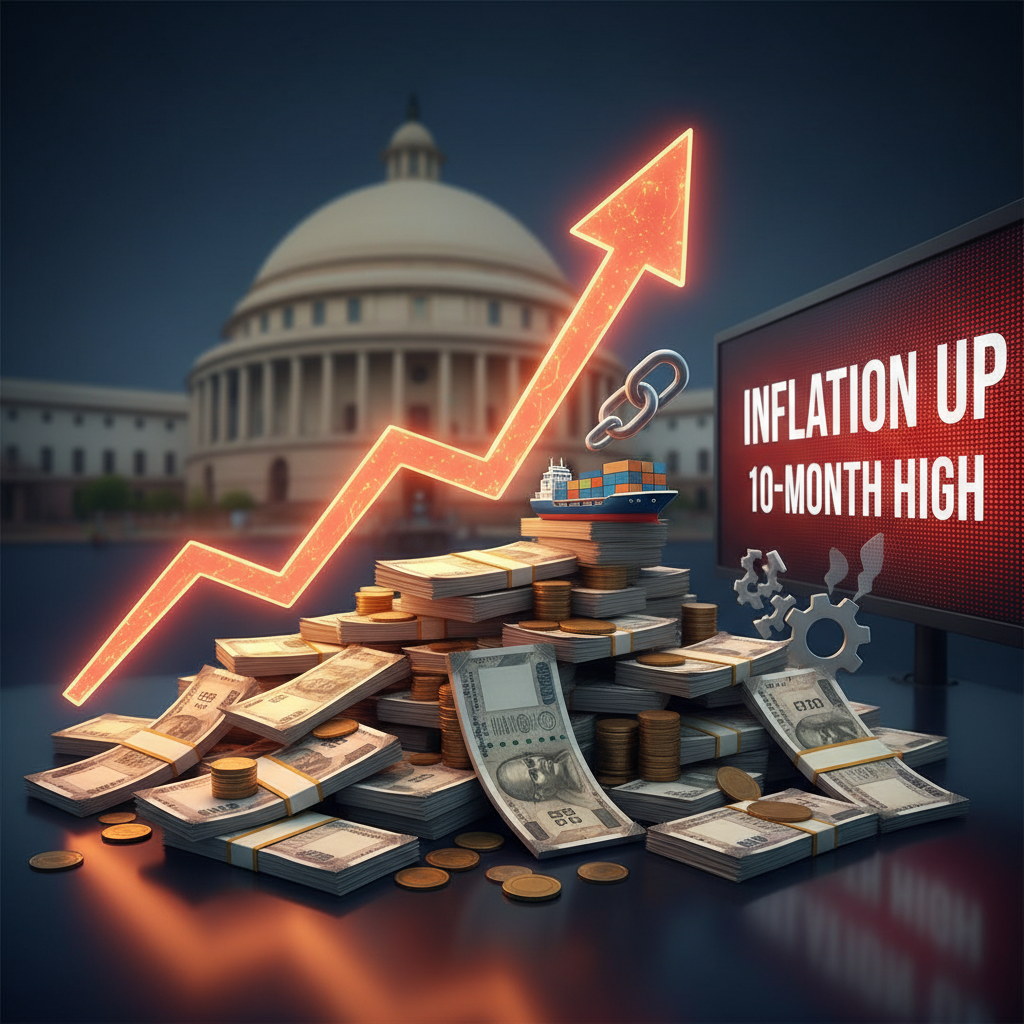
In a concerning development for the Indian economy, wholesale inflation climbed to a 10-month high of 1.81% in January. This increase, as highlighted in recent reports, signals renewed price pressures that could impact various sectors. This article will examine the key drivers behind this rise and what it might mean for the Indian economy, keeping in mind that the situation reflects complex interactions of different factors.
The Primary Culprits: Food and Core Prices
The surge in wholesale inflation is primarily driven by increases in food prices and core prices. These are critical components of the Wholesale Price Index (WPI), which measures the change in prices of goods sold in bulk by wholesalers. The rise in these prices is a significant indicator of economic trends and can influence policy decisions made by the Reserve Bank of India (RBI).
Specifically, vegetable inflation, a volatile component of the food index, turned positive. This shift reflects the impact of supply-side disruptions, seasonal variations, and other factors affecting the agricultural sector. Furthermore, manufactured goods also showed renewed price pressures, indicating rising costs for producers and potentially foreshadowing higher consumer prices in the future.
Understanding the Economic Implications
The increase in wholesale inflation has several implications for India’s economy. Higher inflation can erode purchasing power, leading to reduced consumer spending. Businesses may face increased input costs, potentially affecting profitability and investment decisions. The RBI closely monitors inflation trends to formulate monetary policy, including interest rate adjustments, to manage price stability.
The situation in January, therefore, warrants close observation. The interplay between various factors is complex, and the specific impact will depend on how these trends evolve in the coming months. The government and the RBI will likely need to implement measures to address the underlying causes of inflation and mitigate its negative effects. These policy responses could affect the business environment and the financial well-being of Indian citizens.
Looking Ahead
The rise in wholesale inflation in January serves as a reminder of the inherent volatility in the global economic landscape. The economy of India, like any other, is subject to fluctuations in supply chains, market dynamics, and global events that can influence price levels. The government and policymakers must therefore continue to monitor the situation closely, adapt to changing circumstances, and implement policies that support sustainable economic growth while maintaining price stability. The coming months will be crucial in determining whether this trend will persist or if corrective measures can bring inflation under control.
Sources:
- Business Standard: India’s wholesale inflation climbs to 10-month high of 1.8 % in January
About the Author