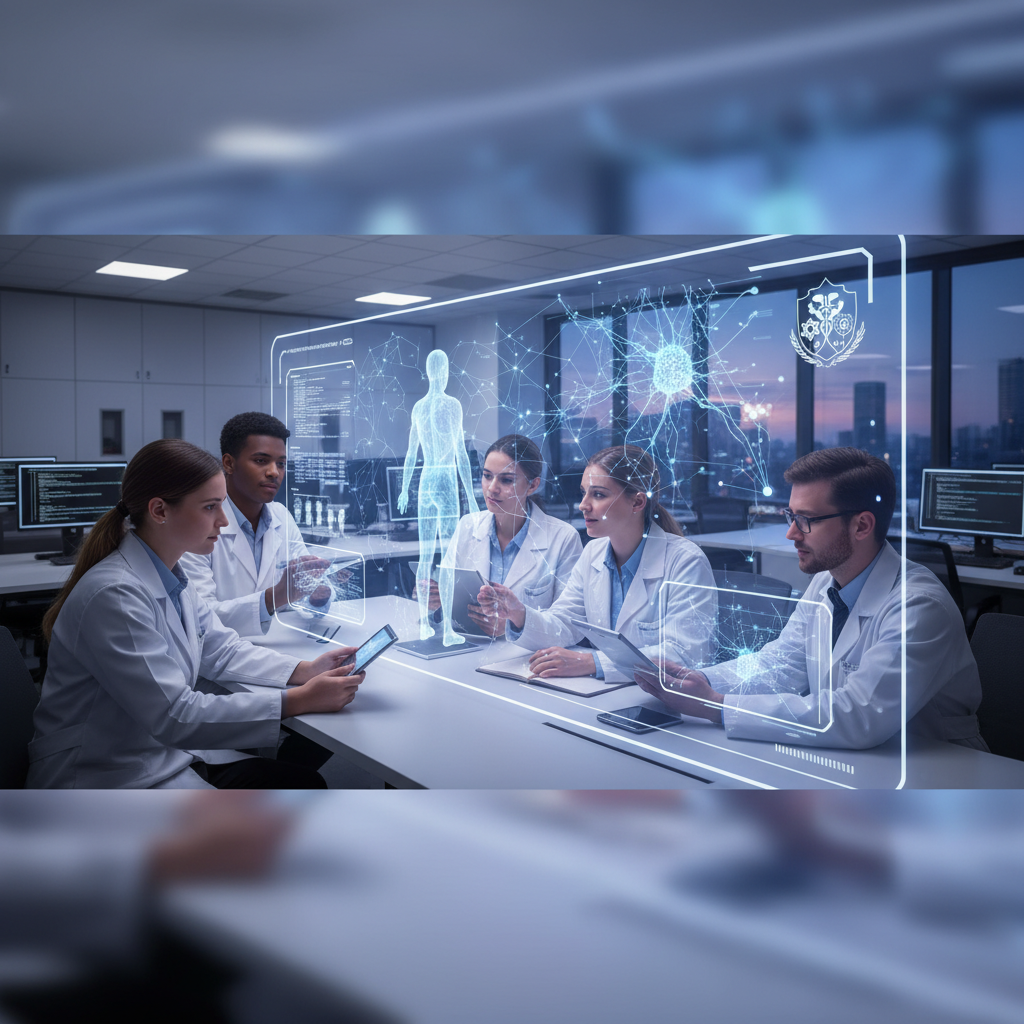
Government Initiative to Equip Medical Students with AI Resources
In a significant move to modernize medical education, the Government is planning to provide medical students with access to a suite of AI resources. This initiative, which includes access to e-books and AI tools, aims to enhance the skills of future medical professionals by providing them with better access to digital and AI-powered learning materials. This forward-thinking approach marks a crucial step in integrating technology into the healthcare sector, ensuring that medical students are well-prepared for the evolving landscape of modern medicine.
The Scope and Implementation of the Program
The program is set to commence with 57 government medical colleges located in smaller towns and rural areas. This strategic starting point ensures that students in underserved regions have access to the same technological advantages as their urban counterparts. The initiative’s phased rollout allows for effective monitoring and refinement of the program before its expansion. The Government plans to gradually include private colleges later, broadening the reach and impact of the program. This phased approach allows for the efficient allocation of resources and the seamless integration of new technologies into the existing educational framework. The program’s design focuses on providing practical, hands-on experience with AI tools, allowing students to apply their theoretical knowledge in real-world scenarios. This hands-on approach is expected to significantly improve their skill sets, preparing them for the challenges and opportunities in the field of healthcare.
Key Objectives and Expected Outcomes
The primary goal of this initiative is to improve the skills of medical students. By providing access to e-books and AI tools, the Government aims to create a more comprehensive and engaging learning environment. The integration of AI tools is particularly significant, as it allows students to explore advanced diagnostic techniques, personalized treatment plans, and data-driven healthcare solutions. The use of digital learning materials will also enhance the accessibility of educational resources. Students will be able to access these materials anytime, anywhere, fostering a self-paced learning environment. This is particularly beneficial for students in rural areas who may face limitations in accessing traditional educational resources. The Government’s commitment to this program reflects a broader strategy to leverage technology for the betterment of healthcare and medical education.
The Role of AI and Digital Learning
The integration of AI in medical education is a game-changer. AI tools offer innovative ways to analyze medical data, diagnose diseases, and develop personalized treatment plans. For instance, AI algorithms can analyze medical images to detect anomalies, assisting doctors in making accurate diagnoses. The use of digital learning materials, such as e-books and online modules, provides students with a flexible and interactive learning experience. This approach allows students to learn at their own pace, revisit complex concepts, and engage with interactive content. The combination of AI and digital learning creates a powerful synergy, equipping medical students with the skills and knowledge they need to excel in their careers. This is a crucial step in preparing the next generation of healthcare professionals for the future of medicine.
Broader Implications for Healthcare
This initiative has broader implications for the healthcare sector. By equipping medical students with AI and digital learning skills, the Government is contributing to the development of a tech-savvy healthcare workforce. This, in turn, can lead to improved patient care, more efficient healthcare delivery, and the development of innovative medical solutions. The program also has the potential to drive the adoption of AI and digital technologies across the healthcare sector, fostering a culture of innovation and continuous improvement. The long-term impact of this initiative is expected to be substantial, with benefits extending beyond the medical colleges to the broader healthcare ecosystem.
Source: Industry-Economic Times
About the Author