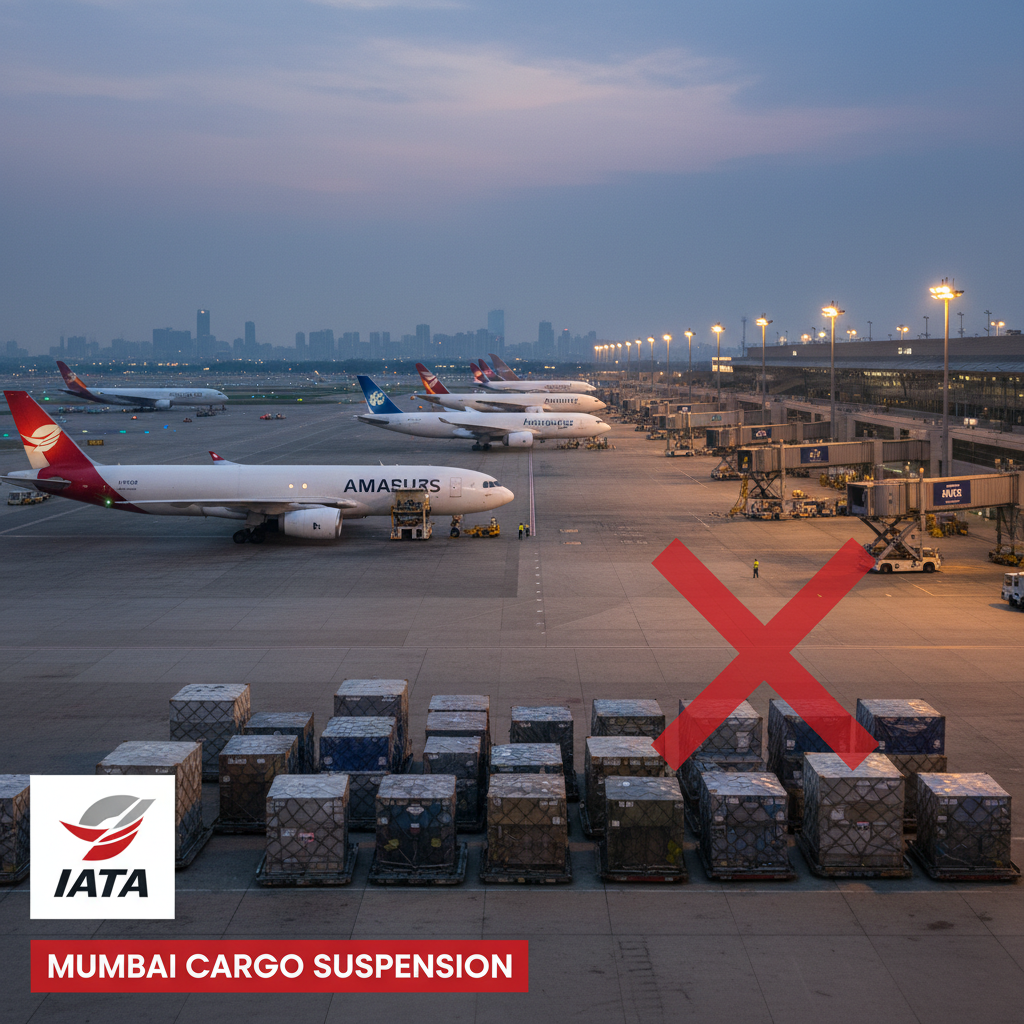
IATA Raises Concerns Over Mumbai Airport’s Cargo Suspension
The global airlines body, IATA, has voiced its concerns regarding the impending temporary suspension of cargo operations at Mumbai Airport. The Adani group, which operates the airport, plans to halt cargo flights starting August 2026 to facilitate infrastructure upgrades. The suspension is slated to last until May 2027, raising worries about potential disruptions to the aviation and logistics sectors.
The Core of the Matter
The primary concern stems from the planned infrastructure upgrade at Mumbai Airport. IATA, the International Air Transport Association, has reached out to the airport operator for clarification but has yet to receive a response. The lack of clarity has heightened apprehension within the aviation industry, particularly among airlines that rely on Mumbai Airport for cargo transport. The temporary cessation of cargo operations could have significant repercussions on the flow of goods and the overall efficiency of the supply chain.
Potential Impacts and Industry Concerns
The suspension of cargo operations, when implemented in August 2026, could lead to several challenges. These include increased costs, delays in shipments, and potential logistical bottlenecks. The Adani group‘s decision to upgrade infrastructure, why it is necessary for long-term operational efficiency, presents a short-term hurdle for businesses that depend on the airport. The what, the temporary halting of cargo flights, is a critical issue for various sectors. Where, at Mumbai Airport, this action will directly affect businesses.
The Road Ahead
The aviation industry is closely monitoring the situation. Stakeholders are hoping for a swift resolution and clear communication from the airport operator. The industry is seeking clarity on alternative arrangements, contingency plans, and the overall impact of the suspension. The ability of the airport and airlines to mitigate potential disruptions will be crucial in ensuring a smooth transition during the infrastructure upgrade period.
The situation underscores the importance of proactive communication and collaboration between airport operators and industry stakeholders. Addressing these concerns promptly will be crucial to minimize the negative impact on the aviation and logistics sectors. As the date of the suspension nears, the need for transparency and effective planning becomes increasingly critical.
About the Author