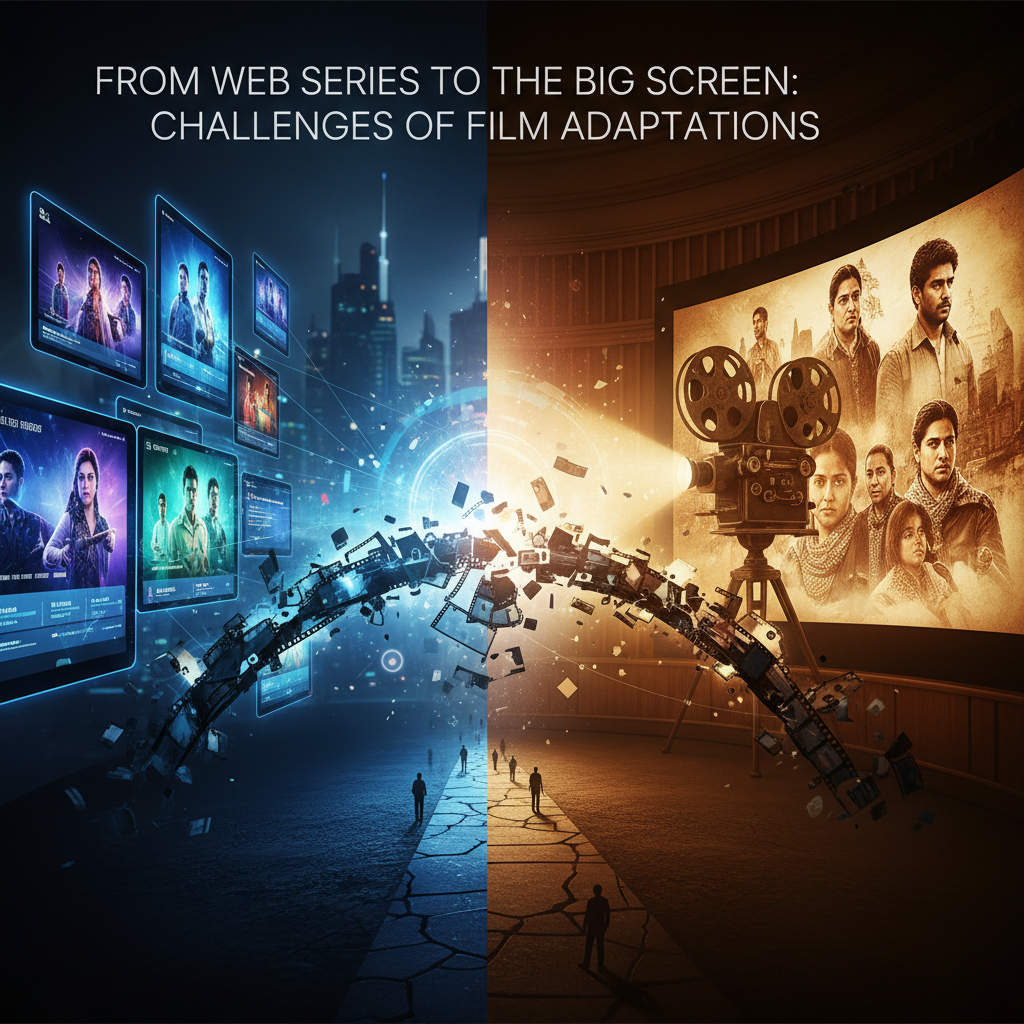
From Web Series to the Big Screen: Navigating the Challenges of Film Adaptations
The entertainment industry is witnessing a fascinating trend: the adaptation of successful web series into feature films. This September, the landscape will be further shaped by Excel Entertainment’s release of ‘Mirzapur: The Movie’, a film adaptation derived from its popular web series ‘Mirzapur’. This move, however, presents a unique set of challenges that industry professionals are keenly aware of.
The Extended Storytelling Dilemma
One of the primary hurdles in adapting web series for the big screen, according to industry producers, is the risk of the film appearing as an extended version of the original. The essence of a successful web series lies in its serialized storytelling, character development over time, and the episodic nature that keeps audiences engaged. Translating this into a cohesive cinematic experience requires careful consideration to avoid a narrative that feels drawn out or lacks the impact of a standalone film.
Adapting IPs for Cinema
The core issue revolves around the adaptation of Intellectual Properties (IPs) of TV and streaming platforms. The ‘Mirzapur’ adaptation serves as a prime example of this trend. The success of the original web series hinges on its intricate plotlines, complex characters, and the immersive world it creates. The challenge for Excel Entertainment and other producers is to translate these elements into a format that captivates cinema audiences. This process goes beyond simply condensing the existing content; it involves reimagining the narrative to fit the cinematic structure, which often means streamlining storylines, enhancing visual impact, and intensifying key moments to keep the audience engaged.
Strategic Considerations and Industry Implications
The transition from a web series to a film format necessitates a strategic approach. It involves a deep understanding of the source material, the target audience, and the unique capabilities of the cinematic medium. This includes considerations such as:
- Narrative Restructuring: Condensing complex plots and character arcs to fit a shorter timeframe.
- Visual Enhancement: Leveraging cinematic tools to create a more immersive and visually stunning experience.
- Pacing and Rhythm: Adjusting the narrative flow to maintain audience engagement throughout the film.
As more streaming platforms invest in original content and explore film adaptations, the entertainment industry will continue to evolve. The success of these adaptations will depend on the ability of producers and studios to navigate the challenges effectively. The ability to reimagine IPs for the big screen will be a key factor in determining their success.
The Future of Film Adaptations
The release of ‘Mirzapur: The Movie’, and similar projects, marks a pivotal moment in the entertainment sector. The outcomes will provide valuable insights into the viability of adapting web series for cinema. The industry will closely monitor how these adaptations resonate with audiences, and how effectively they can capture the essence of the original while delivering a compelling cinematic experience. The success of such ventures will certainly shape the future of entertainment, especially as the lines between different forms of media blur further.
About the Author