Alkem Labs’ Chakan Facility Faces USFDA Inspection, Addressing Procedural Observations
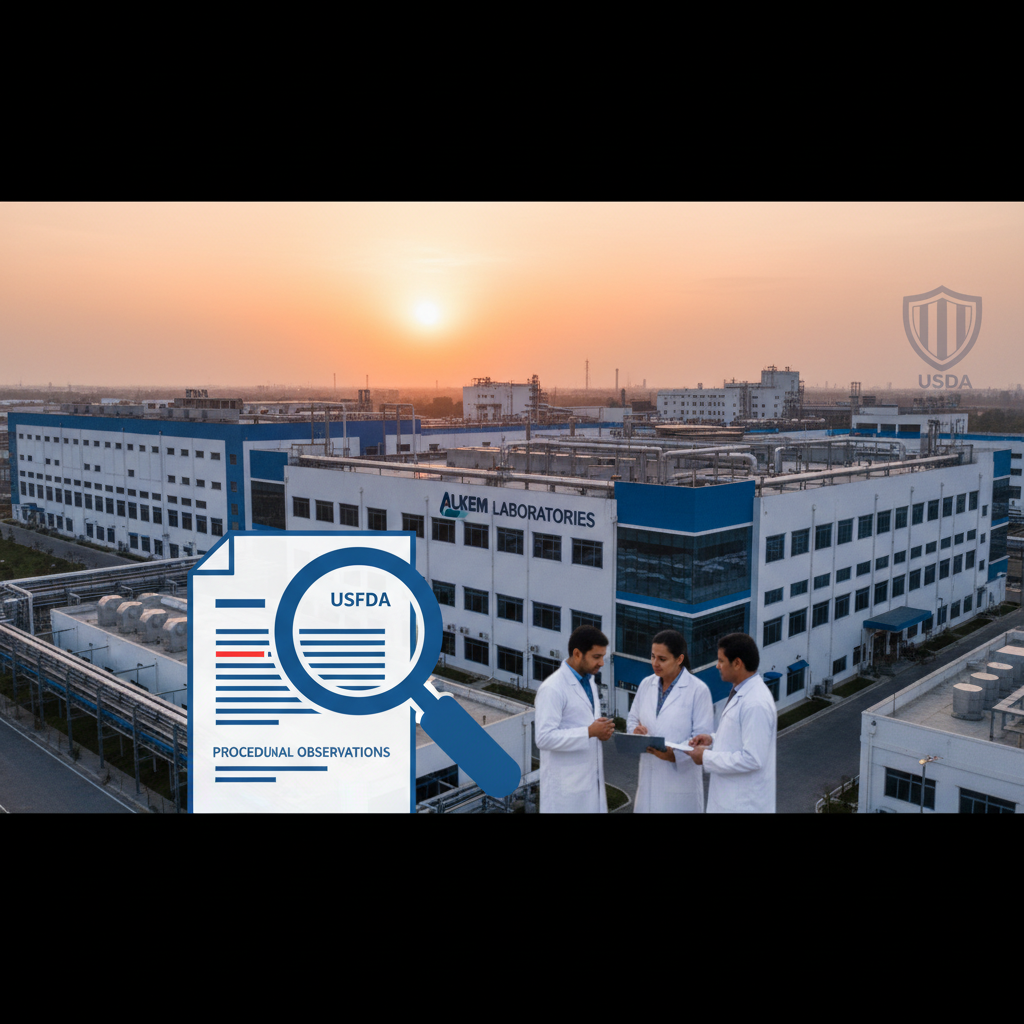
In a recent development within the pharmaceutical sector, Alkem Laboratories’ subsidiary, Enzene Biosciences, has been the subject of a US Food and Drug Administration (USFDA) inspection at its Chakan manufacturing unit. The inspection, as reported by the Economic Times, resulted in a Form 483, a document outlining observations made by the FDA during the inspection.
The USFDA Inspection and Its Findings
The USFDA’s inspection of the Chakan facility led to six procedural observations. While the specifics of these observations have not been fully disclosed, the company has stated that the issues are procedural in nature. A significant point of emphasis from Alkem Laboratories is that the inspection revealed no data integrity issues. This is a crucial aspect, as data integrity is a cornerstone of regulatory compliance in the pharmaceutical industry.
The USFDA’s role in the pharmaceutical manufacturing landscape is to ensure that facilities adhere to stringent quality standards and regulatory requirements. Inspections, such as the one conducted at the Chakan unit, are a regular part of this process. They are designed to assess a facility’s compliance with current good manufacturing practices (cGMP) and other relevant regulations. The observations outlined in a Form 483 require the inspected company to respond with corrective actions to address the identified issues.
Enzene Biosciences’ Response and Corrective Actions
Enzene Biosciences is currently in the process of preparing its response to the USFDA. The company is working within the stipulated timeline to address the observations. This response will detail the corrective actions that Enzene plans to implement to resolve the issues identified during the inspection. The promptness and thoroughness of this response are critical, as they demonstrate the company’s commitment to compliance and quality.
Initiating corrective actions is a key step in resolving the observations. This involves identifying the root causes of the issues and implementing measures to prevent their recurrence. The USFDA will then evaluate the company’s response and the effectiveness of the corrective actions. The entire process underscores the importance of a robust quality management system within pharmaceutical manufacturing facilities.
Implications for Pharma Manufacturing and CDMOs
This situation highlights the ongoing scrutiny that pharmaceutical manufacturing facilities, including contract development and manufacturing organizations (CDMOs), face from regulatory bodies like the USFDA. Compliance with regulatory standards is not only essential for maintaining operational licenses but also for ensuring the safety and efficacy of pharmaceutical products. The incident serves as a reminder of the importance of continuous improvement and proactive measures to maintain compliance within the pharmaceutical industry.
The Chakan facility’s response and the subsequent evaluation by the USFDA will be closely watched by industry stakeholders. The outcome will provide insights into the company’s ability to address regulatory challenges and maintain its operational standards. This situation provides a case study for other pharma manufacturing and CDMOs on how to navigate and respond to USFDA inspections effectively.
Source: Industry-Economic Times
About the Author