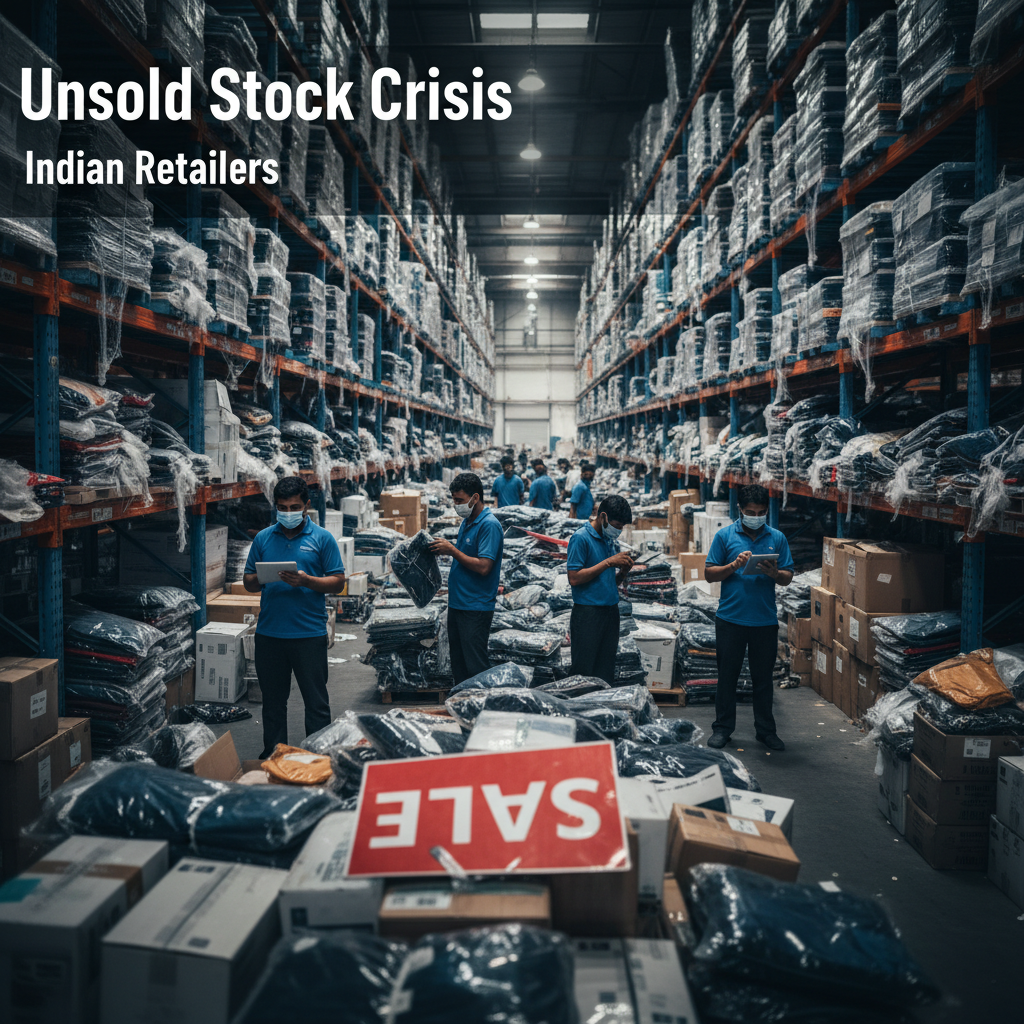
Unsold Stock Crisis: How Slow Inventory Hurts Indian Retailers
The Indian retail sector, a vital component of the country’s economic landscape, is currently navigating a challenging period. While sales figures may appear healthy, many Indian retail stores are grappling with significant financial losses. The core issue? An abundance of unsold stock languishing on shelves, a problem that threatens the profitability and sustainability of these businesses. This situation underscores the critical need for retailers to address their inventory management strategies to survive in a competitive market.
The Root of the Problem: Slow-Moving Inventory
The primary culprit behind these losses is slow-moving inventory. This refers to products that remain unsold for extended periods, tying up capital and occupying valuable shelf space. The consequences are multifaceted, directly impacting the financial health of Retailers. The situation is critical currently.
- Reduced Revenue: Unsold goods represent lost sales opportunities.
- Erosion of Profit Margins: Retailers often resort to markdowns and discounts to clear out excess stock, diminishing profits.
- Increased Storage Costs: Holding onto unsold inventory incurs storage expenses, further straining resources.
Economic Impact and the Stakes
The implications extend beyond individual businesses. The struggles of Indian retail stores have a broader economic impact. The inability to generate adequate revenue and profit can lead to store closures, job losses, and a decline in overall market activity. The situation is further complicated by the dynamic nature of consumer preferences and the rapid influx of new products, making effective inventory management even more crucial.
Addressing the Challenge: Strategies and Solutions
Retailers are actively seeking solutions to mitigate the negative effects of slow-moving inventory. The key is to optimize inventory management practices and align them with consumer demand. By addressing the issue of unsold stock, retailers aim to fix the problem of losses. Possible solutions include:
- Improved Demand Forecasting: Utilizing data analytics to predict consumer preferences and adjust ordering accordingly.
- Efficient Supply Chain Management: Streamlining the flow of goods from suppliers to stores to reduce lead times.
- Strategic Merchandising: Optimizing product placement and promotional activities to boost sales.
- Inventory Optimization Software: Implementing technology solutions to monitor inventory levels, track sales trends, and automate replenishment.
The Path Forward
The challenges facing Indian retail stores are significant, but not insurmountable. By proactively addressing the issue of slow-moving inventory, retailers can improve their financial performance and ensure long-term sustainability. Success will depend on the ability to adapt to changing market dynamics, leverage data-driven insights, and embrace innovative inventory management strategies. The future of retail in India hinges on the successful navigation of this inventory crisis.
Source: Industry-Economic Times
About the Author