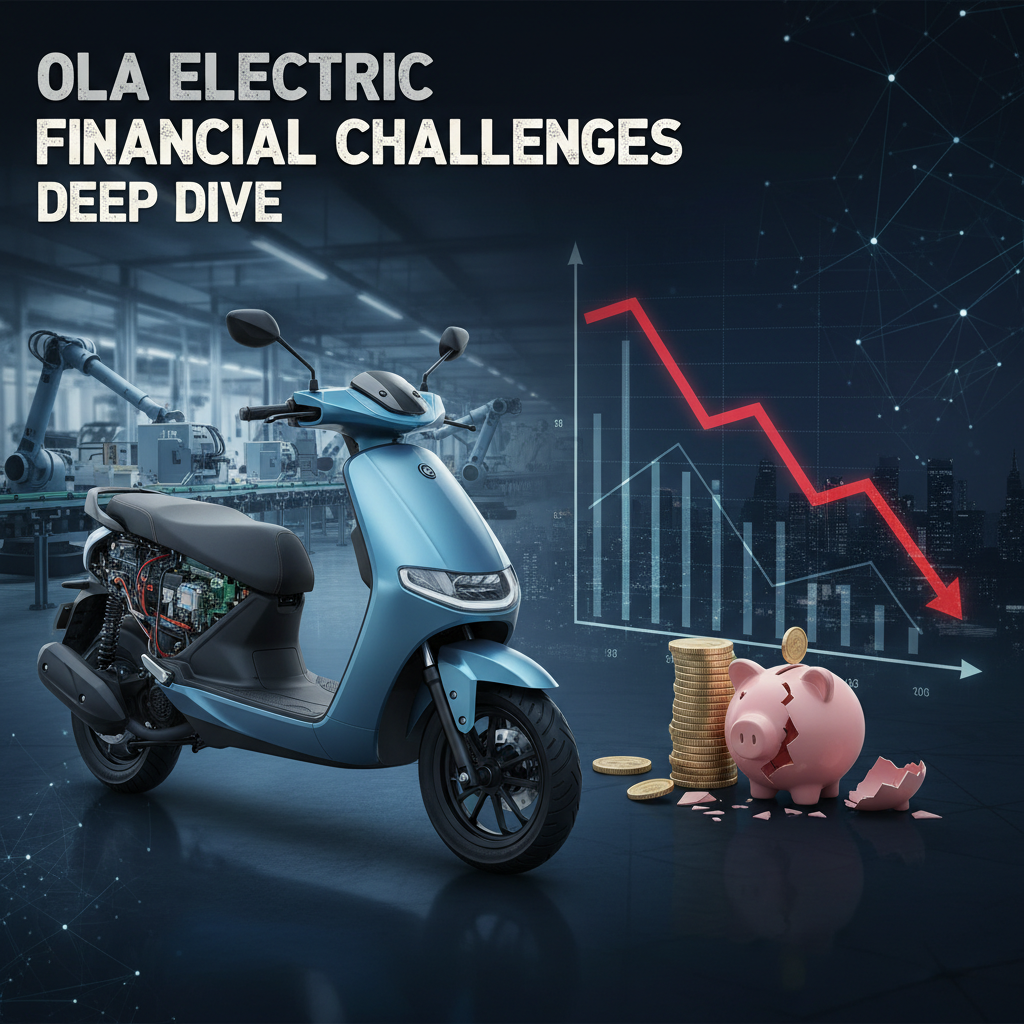
Ola Electric’s Financial Challenges: A Deep Dive
In the dynamic world of electric vehicles, companies rise and fall with remarkable speed. One such company, Ola Electric, has found itself under intense scrutiny. This article delves into the financial pressures facing Ola Electric, examining the challenges within the electric scooter market, and the broader implications for the automotive and electronics manufacturing industries. The company, spearheaded by Bhavish Aggarwal, has found itself at a critical juncture.
The Looming Cash Clock
The core concern for Ola Electric revolves around its cash flow. The company’s financial health is under pressure, and the so-called “cash clock” is ticking. This financial reality has been a significant point of discussion within the industry, especially as Ola Electric navigates the competitive EV market. The company’s future hinges on its ability to manage its finances effectively and secure further funding to fuel its operations and expansion plans. Managing cash flow is a critical aspect for any business, but it’s particularly vital in a capital-intensive industry like electric vehicle manufacturing.
The Competitive Landscape
The electric scooter market is fiercely competitive, with numerous players vying for market share. Ola Electric’s competitors include both established automotive manufacturers and emerging startups, all racing to capture a slice of the growing EV pie. This competitive landscape puts pressure on margins, necessitates continuous innovation, and requires substantial investment in manufacturing and distribution infrastructure. The automotive industry, in general, is highly competitive, and the EV segment is no exception. The ability to differentiate itself and offer a compelling product at a competitive price is vital for Ola Electric’s survival.
Challenges in Electronics Manufacturing
Beyond the automotive industry’s typical challenges, Ola Electric also operates within the electronics manufacturing sector, which adds another layer of complexity. The company relies on a complex supply chain, global component shortages, and rapidly evolving technology. These factors can significantly impact production costs, lead times, and product quality. The ability to manage these challenges effectively is crucial for maintaining profitability and meeting customer demand. As an electronics manufacturer, Ola Electric must stay ahead of the curve in terms of technological advancements and adapt quickly to market changes.
Funding and Future Prospects
Securing adequate funding is crucial for Ola Electric’s long-term success. The company needs to attract investors, secure loans, and generate sufficient revenue to support its operations and expansion plans. The ability to demonstrate a clear path to profitability and a strong value proposition is essential for attracting funding. The future prospects of Ola Electric depend on its ability to overcome these financial challenges, adapt to market dynamics, and execute its strategic vision. The company’s success also hinges on its ability to meet production targets, scale its operations efficiently, and establish a strong brand presence in the market.
Conclusion
Ola Electric faces a challenging period, marked by financial pressures and intense competition. While the EV market holds significant potential, the path to success is fraught with obstacles. The company’s ability to navigate these challenges will determine its ultimate fate. As the automotive and electronics manufacturing industries evolve, Ola Electric’s journey will be one to watch closely. The company’s future depends on its ability to adapt, innovate, and secure the necessary resources to thrive in a rapidly changing market.
About the Author