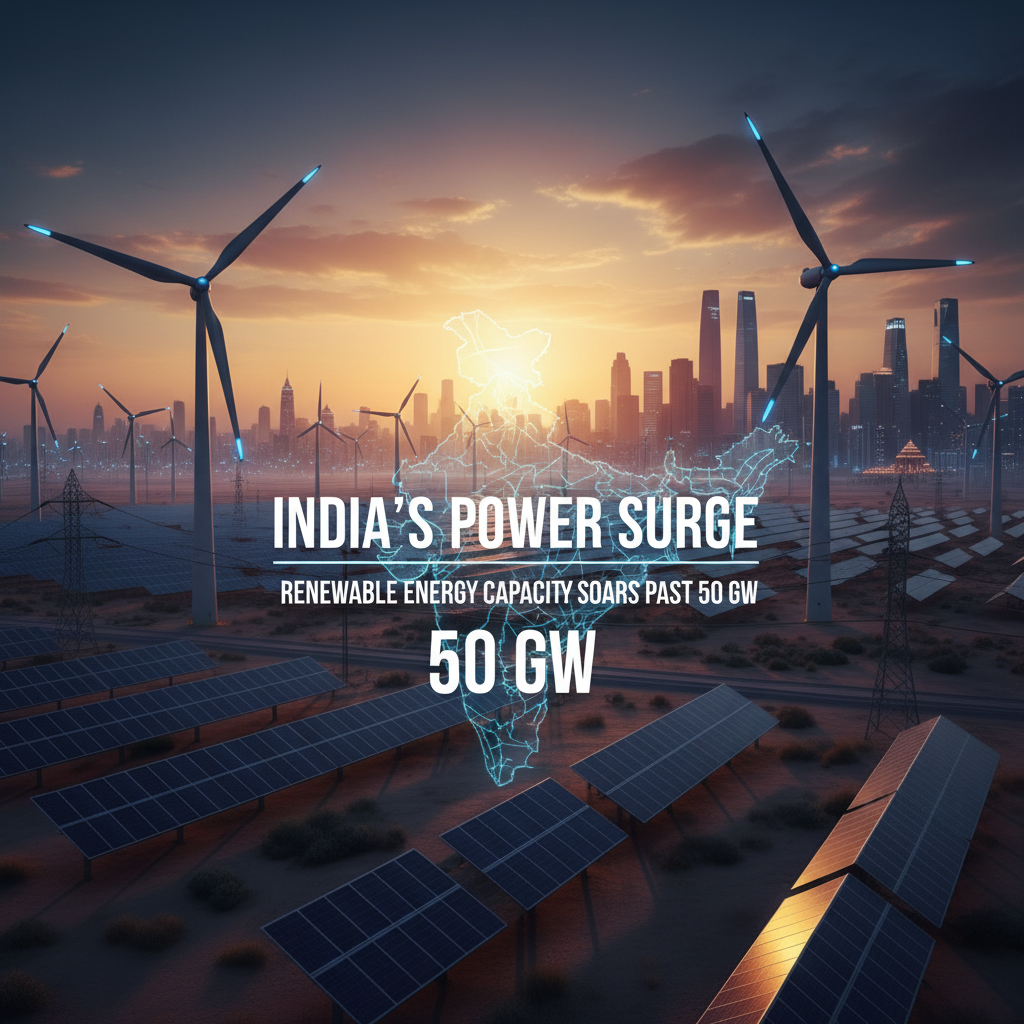
India’s Power Generation Capacity Soars, Exceeding 50 GW
India’s energy landscape is undergoing a remarkable transformation. From April to January of the current fiscal year, the nation witnessed an unprecedented expansion in its power generation capacity, adding over 52 GW to its grid. This achievement not only shatters previous records but also highlights India’s unwavering dedication to renewable energy sources and its ambitious climate goals. The surge, largely fueled by the rapid deployment of solar power, marks a pivotal moment in the country’s energy transition.
A Deep Dive into the Numbers
The scale of this capacity addition is truly impressive. The addition of over 52 GW in a relatively short period speaks volumes about the accelerated pace of infrastructure development and the increasing appeal of renewable energy projects. This growth is predominantly driven by solar power, which has become increasingly cost-competitive and accessible across the country. This expansion is a testament to the effectiveness of recent policies and the strategic investments made in the energy sector.
The Role of Renewable Energy
The primary driver behind this significant capacity addition is solar power. India has been making substantial investments in solar energy infrastructure, including large-scale solar farms, rooftop solar installations, and supporting grid infrastructure. This focus on solar power aligns with India’s broader commitment to reducing its carbon footprint and transitioning to a cleaner energy mix. The ‘how’ of this expansion involves strategic policies, financial incentives, and technological advancements that have collectively fostered a favorable environment for renewable energy projects. This includes streamlined approval processes, tax benefits, and the development of domestic manufacturing capabilities.
Policy and Investment
The growth in power generation capacity is not solely attributable to technological advancements; it is also a direct result of supportive government policies and significant investments. The Indian government has introduced various policies to encourage renewable energy development, including tax incentives, subsidies, and favorable regulations. These measures have created a stable and attractive environment for investors, both domestic and international. The ‘why’ behind this surge is clear: India recognizes the crucial need to reduce its dependence on fossil fuels, mitigate climate change, and ensure long-term energy security. This proactive approach has made India a global leader in renewable energy adoption.
Impact and Future Outlook
The increase in power generation capacity has far-reaching implications. It strengthens India’s energy security, reduces its reliance on imported fossil fuels, and contributes to cleaner air. This growth also stimulates economic development by creating jobs in the renewable energy sector and attracting foreign investment. Looking ahead, India is poised for even greater expansion in its renewable energy capacity. With continued policy support, technological advancements, and increasing investor confidence, the country is well-positioned to achieve its ambitious targets for clean energy and sustainable development. The ongoing investments in solar and other renewable energy sources will likely drive further growth, solidifying India’s role as a key player in the global energy transition.
Conclusion
India’s remarkable achievement of adding over 50 GW of power generation capacity between April and January showcases the nation’s commitment to renewable energy and its proactive approach to sustainable development. Fueled primarily by solar power, this expansion is a testament to the effectiveness of policy interventions, strategic investments, and technological advancements. As India continues to invest in renewable energy, it is not only strengthening its energy security but also contributing to global efforts to combat climate change. This period marks a pivotal moment in India’s energy journey, setting a precedent for future growth and sustainable development in the sector.
Source: Industry-Economic Times
About the Author