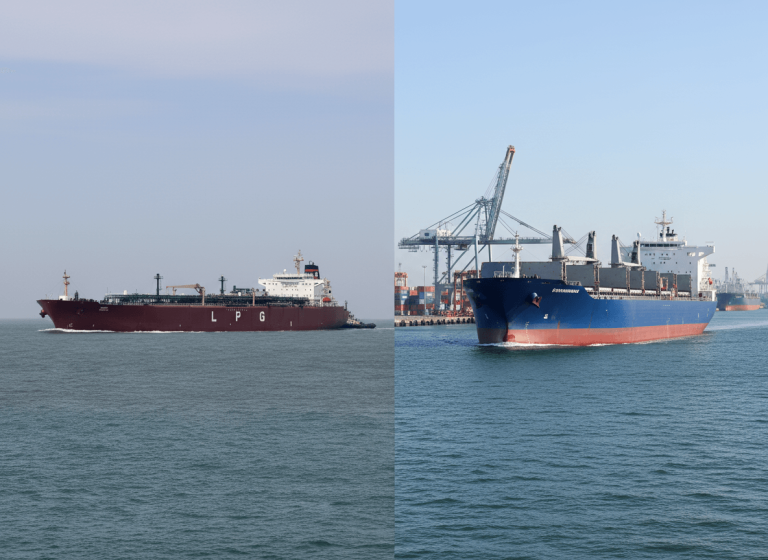
Reliance Industries Secures US License for Venezuelan Oil
In a strategic move that reshapes the energy landscape, Reliance Industries has been granted a special license by the US to directly purchase oil from Venezuela. This development, as reported by the Economic Times, marks a significant shift in the global oil market and presents several key implications for the involved parties. The US decision to issue this license, which allows Reliance Industries to resume its purchases of Venezuelan oil, is poised to impact both the energy sector and international relations.
Key Implications of the US License
The core objective behind the US granting this license is multifaceted. Primarily, it aims to boost Venezuela’s oil exports, which have been significantly curtailed due to previous sanctions. Simultaneously, it allows Reliance Industries to lower crude costs, offering a more economically viable alternative in a fluctuating market. Furthermore, this move is strategically designed to replace Russian oil supplies, a response to the ongoing geopolitical dynamics affecting global energy flows. Prior to this, Reliance Industries had ceased its purchases of Venezuelan oil due to existing sanctions, making this new license a critical enabler for resuming operations.
Strategic Benefits for Reliance Industries
For Reliance Industries, the benefits of this US license are multifold. When previously constrained by sanctions, now it can tap into a new supply chain. The ability to directly buy Venezuelan oil not only diversifies its sources but also potentially reduces its reliance on more expensive alternatives. How this is achieved is through the US issuing a special license, which circumvents previous restrictions and opens the door for trade. This strategic advantage is particularly crucial in the current global climate, where energy security and cost-effectiveness are paramount.
Impact on Venezuela’s Oil Exports
Why the US is allowing this is to support Venezuela’s oil industry. The revival of Venezuelan oil exports is a direct consequence of this strategic decision. This license not only offers a lifeline to Venezuela’s economy but also allows it to re-enter the global oil market more robustly. The move is expected to have a cascading effect, potentially stabilizing the country’s economic outlook and fostering renewed international trade relations.
Navigating Sanctions and Global Oil Dynamics
The US decision to grant this license is a carefully calibrated move that balances geopolitical interests with economic realities. This strategic maneuver shows a willingness to adapt to changing global circumstances. The ability to replace Russian oil supplies is a key factor. The US has allowed Reliance Industries to navigate the complexities of international sanctions while ensuring a steady supply of crude oil. The resumption of Venezuelan oil purchases by Reliance Industries is a testament to the evolving dynamics within the global oil market.
Conclusion
The US license for Reliance Industries to buy Venezuelan oil represents a significant development in the energy sector. It underscores the interplay of geopolitical strategy, economic considerations, and the ever-changing landscape of global oil supplies. The move is set to benefit Reliance Industries by lowering its crude oil costs and simultaneously bolstering Venezuela’s oil exports. As the market evolves, the implications of this decision will continue to unfold, shaping the future of international trade and energy security. The license allows Reliance Industries to navigate a complex environment, benefiting from new access to resources, while the US attempts to influence global oil flows. The move is significant for Reliance Industries, Venezuela, and the global oil market.
About the Author