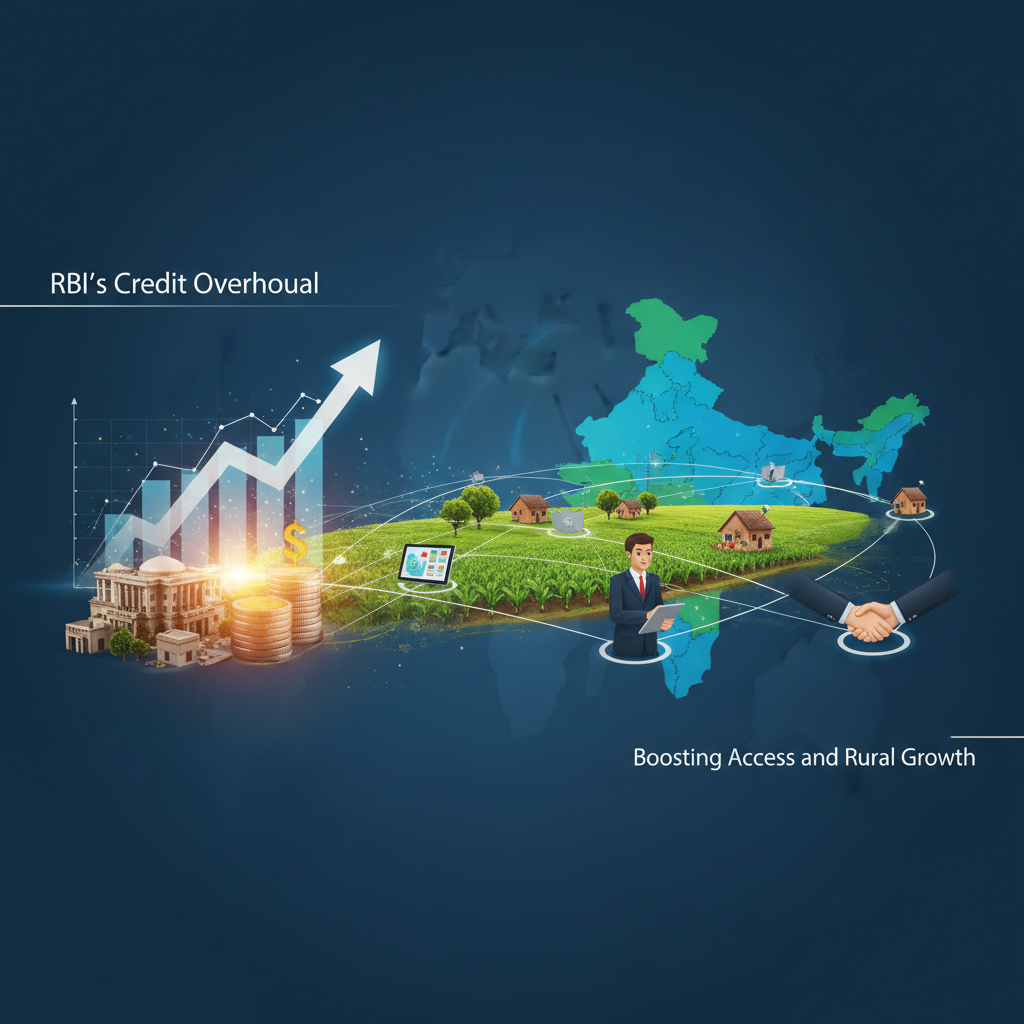
RBI’s Credit Overhaul: Boosting Access and Rural Growth
In a move designed to reshape India’s financial landscape, the Reserve Bank of India (RBI) is implementing significant changes to its Lead Bank Scheme. These adjustments, as reported by the Economic Times, aim to enhance credit accessibility and promote financial inclusion across the nation. The RBI’s proactive measures signal a commitment to fostering economic growth and ensuring that financial services reach all segments of the population.
Key Changes in the Lead Bank Scheme
The RBI’s overhaul of the Lead Bank Scheme focuses on several key areas. The most notable change is the elimination of the requirement for banks to obtain ‘no dues’ certificates from borrowers. This streamlining of the process is intended to reduce bureaucratic hurdles and make it easier for individuals and businesses to access credit. Furthermore, the RBI is mandating that a quarter of all new bank branches be opened in smaller towns, thereby expanding the banking network’s reach into underserved areas.
Another crucial element of the new scheme is the emphasis on maintaining a high credit-deposit (CD) ratio in rural areas. This directive ensures that lenders channel a significant portion of their deposits into productive lending within these regions. This measure is crucial for stimulating economic activity and supporting local businesses and entrepreneurs.
Impact and Implications
These policy changes are expected to have a considerable impact on the Indian economy. By removing obstacles to credit access, the RBI hopes to boost credit flow, which in turn can stimulate investment, consumption, and overall economic growth. The focus on rural areas is particularly significant, as it aims to address the persistent issue of financial exclusion and promote balanced regional development. The expansion of bank branches in smaller towns will make financial services more accessible to a broader population, fostering greater financial inclusion.
The RBI’s decision to stop the ‘no dues’ certificates will likely reduce the time and effort required for loan approvals, making the process more efficient for both banks and borrowers. The push for more rural bank branches demonstrates a commitment to bridging the urban-rural divide in financial services, which is critical for inclusive growth. The CD ratio mandate is designed to ensure that rural areas receive their fair share of credit, supporting local economies and promoting sustainable development.
Broader Context and Significance
These policy changes by the RBI come at a time when the Indian economy is striving for robust and inclusive growth. By proactively addressing issues related to credit access and financial inclusion, the RBI is playing a vital role in shaping the future of the financial sector. The changes reflect a broader trend towards greater regulatory oversight and a commitment to ensuring that the benefits of economic growth are shared widely.
The RBI’s approach is aligned with the government’s broader objectives of financial inclusion and rural development. The new measures are expected to create a more conducive environment for lending and investment, thereby supporting the growth of various sectors. The focus on rural areas underscores the importance of addressing regional disparities and ensuring that economic opportunities are available to all.
In conclusion, the RBI’s overhaul of the Lead Bank Scheme represents a significant step towards a more inclusive and efficient financial system. By removing bureaucratic hurdles, expanding rural reach, and ensuring adequate credit flow, the RBI is paving the way for sustainable economic growth and broader financial inclusion across India. The changes are expected to have a positive impact on borrowers, banks, and the overall economy, fostering a more dynamic and accessible financial landscape. The RBI’s actions underscore its commitment to adapting and evolving to meet the changing needs of the Indian economy, driving it toward greater prosperity and inclusivity. (Source: Economic Times)
About the Author