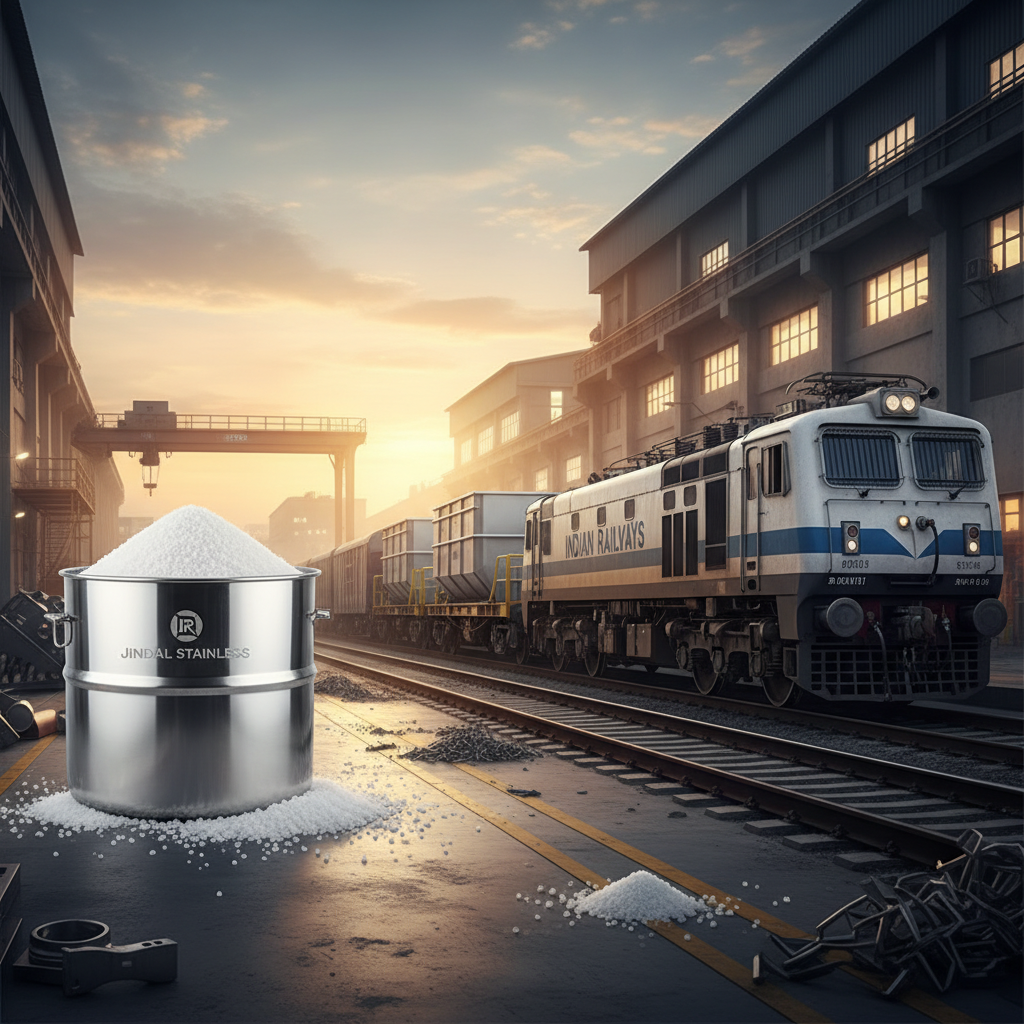
Jindal Stainless & Indian Railways Unite for Corrosion-Resistant Salt Containers
In a significant development for the steel industry and railway logistics, Jindal Stainless has joined forces with Indian Railways to produce stainless steel salt containers. This collaboration represents a strategic move towards incorporating corrosion-free steel solutions in the transportation of essential goods. The initiative underscores a commitment to enhancing the durability and efficiency of railway operations.
A Corrosion-Free Solution for Railway Logistics
The primary objective of this partnership is to replace traditional materials with stainless steel, thereby mitigating the detrimental effects of corrosion. The harsh environments and exposure to corrosive substances, such as salt, can significantly degrade the lifespan of containers used in railway logistics. By utilizing stainless steel, the partners aim to create a more resilient and long-lasting solution.
The Prototype and Successful Trials
A prototype container, fabricated from 304 grade stainless steel, has undergone rigorous testing to ensure its suitability for railway operations. The prototype has successfully completed loading and unloading trials, demonstrating its ability to withstand the demands of transporting goods. These trials are a critical step in validating the design and material choice before broader implementation. The successful trials provide confidence in the performance and durability of the stainless steel salt containers.
Key Players and Their Roles
The collaboration between Jindal Stainless and Indian Railways brings together the expertise of a leading stainless steel manufacturer and a major transportation provider. Jindal Stainless is responsible for the production and supply of the stainless steel containers, leveraging its advanced manufacturing capabilities and material science expertise. Indian Railways, on the other hand, provides the infrastructure and operational environment for testing and deployment, ensuring the containers meet the stringent requirements of railway logistics. This partnership streamlines the process from design to implementation.
Benefits and Implications
The adoption of stainless steel salt containers offers several advantages. Firstly, it enhances the longevity of the containers, reducing the need for frequent replacements and maintenance. Secondly, the use of corrosion-resistant materials ensures the integrity of the transported goods, minimizing the risk of contamination and spoilage. Furthermore, this initiative promotes sustainability by reducing waste and extending the lifespan of railway assets. The project also sets a precedent for the broader adoption of stainless steel in various railway applications.
Looking Ahead
The collaboration between Jindal Stainless and Indian Railways marks a pivotal moment in the steel industry and railway logistics. The successful trials of the prototype container pave the way for wider implementation, potentially revolutionizing the way salt and other corrosive materials are transported. This initiative not only enhances the efficiency and durability of railway operations but also sets a positive example for sustainable practices within the sector.
Source: Industry-Economic Times
About the Author