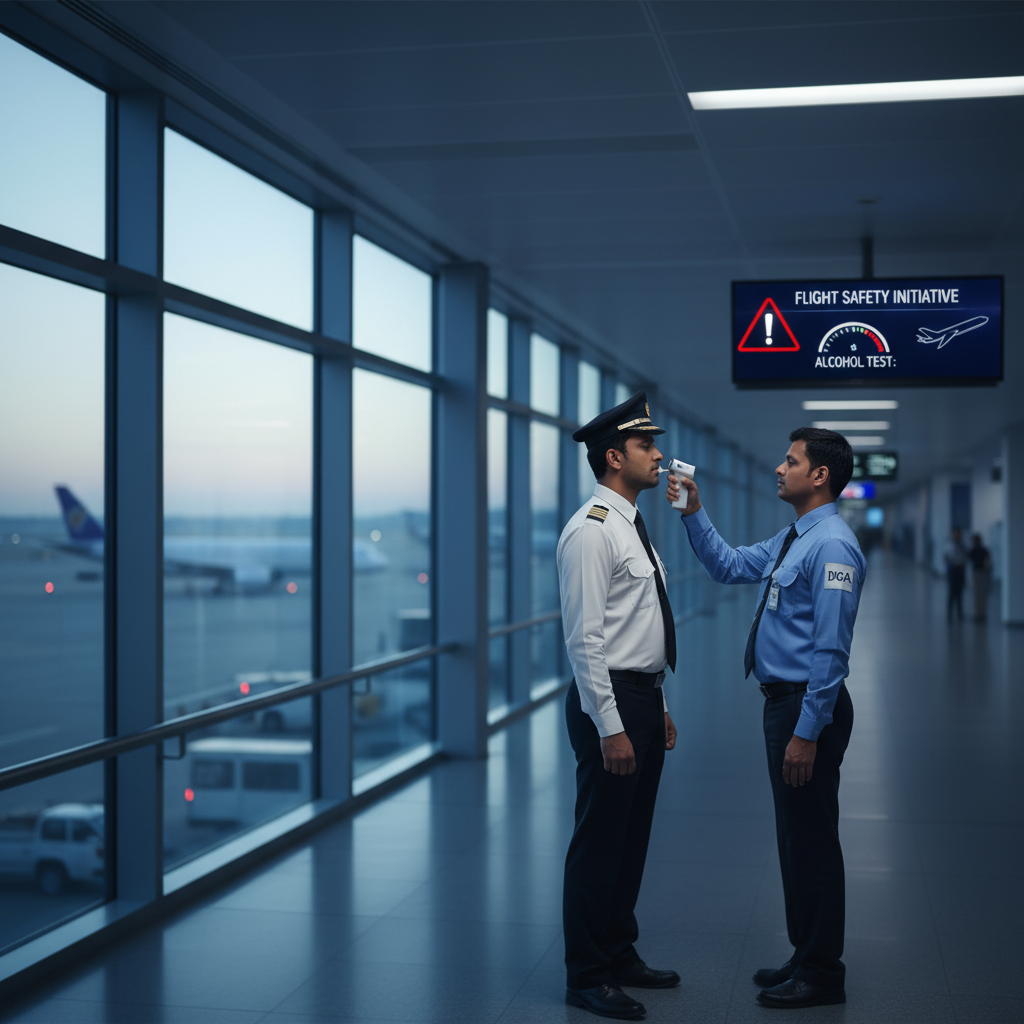
DGCA Tightens Rules: Stricter Breath Tests for Pilots to Boost Flight Safety
The aviation sector is constantly evolving, with safety remaining the paramount concern. In a move designed to reinforce this principle, the Directorate General of Civil Aviation (DGCA) has introduced more stringent regulations regarding breath analyzer tests for pilots. This proactive step underscores the DGCA’s commitment to ensuring that all flight operations are conducted with the highest safety standards. The new measures address the critical need to maintain an alcohol-free environment for pilots, thereby minimizing potential risks.
Enhanced Safety Measures in Aviation
The primary aim of these revised norms is to bolster flight safety. The DGCA, as the regulatory body, understands that the safety of passengers and crew is non-negotiable. By tightening the rules around breath analyzer tests, the DGCA aims to significantly reduce the likelihood of alcohol-related incidents. The new regulations are clear: any pilot found to be in violation faces severe consequences. This is a clear signal that the DGCA is serious about enforcing safety protocols within the aviation sector.
Key Changes in Breath Analyzer Test Norms
The revised regulations introduce several key changes. One of the most significant is the enhanced penalty structure for repeated violations. Pilots found to have violated the alcohol policy multiple times now face the risk of license cancellation. This stringent measure is designed to deter any behavior that could compromise flight safety. Furthermore, foreign pilots are also subject to these new rules. Any foreign pilot who tests positive will have their temporary authorization permanently revoked. This ensures that all pilots, regardless of nationality, are held to the same high standards.
Consequences of Violations
The DGCA has outlined specific consequences for non-compliance. A pilot who tests positive three times will have their license cancelled. This escalating series of penalties emphasizes the importance of adhering to the regulations. The DGCA’s approach is not just about punishment; it is about creating a culture of safety where adherence to rules is the norm, and the well-being of all involved is prioritized.
Ensuring Alcohol-Free Operations
The fundamental objective of these new norms is to ensure that all flight crew members are alcohol-free before operating flights. This is a critical step in preventing accidents and maintaining the integrity of the aviation industry. By establishing clear guidelines and consequences, the DGCA is taking a proactive approach to safety management.
Industry Impact and Future Implications
These stricter rules are expected to have a broad impact across the aviation sector. Airlines and other aviation-related entities will need to adapt their internal policies and training programs to align with the new DGCA regulations. The increased emphasis on breath analyzer tests and the severe penalties for violations are likely to lead to a more cautious approach among pilots. This will ultimately contribute to a safer flying environment for everyone.
The DGCA’s recent actions reflect a commitment to continuous improvement in aviation safety. By proactively addressing potential risks, the DGCA is setting a precedent for other regulatory bodies globally. The move to tighten breath analyzer test norms is a strategic step toward enhancing flight safety and maintaining public trust in the aviation industry.
Source: Industry-Economic Times
About the Author