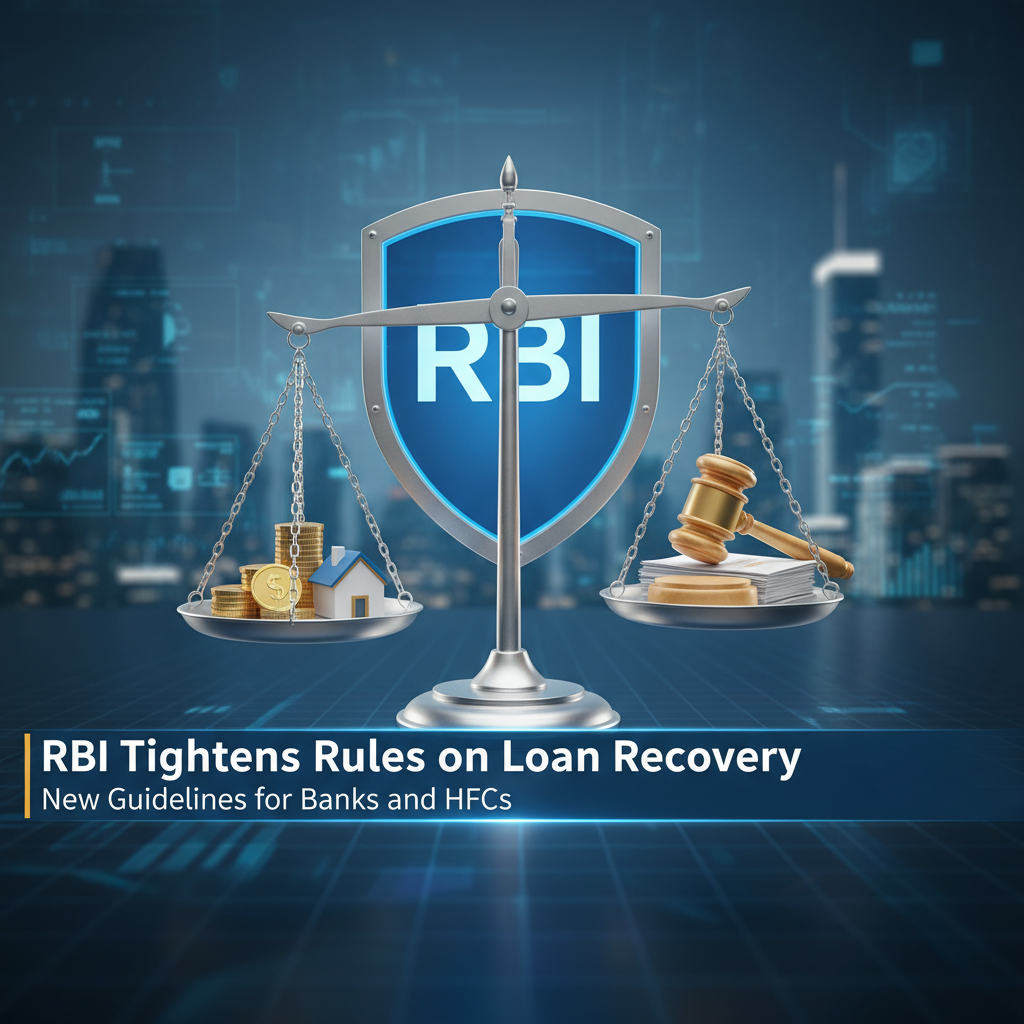
RBI Tightens Rules on Loan Recovery: New Guidelines for Banks and HFCS
In a move aimed at protecting borrowers and ensuring fair practices within the financial sector, the Reserve Bank of India (RBI) has introduced draft guidelines concerning loan recovery procedures. These new regulations target banks and housing finance companies (HFCs), mandating increased transparency and a more considerate approach to debt recovery. This initiative reflects the RBI’s commitment to consumer protection and financial stability, as reported by the Economic Times.
Key Provisions of the New Guidelines
The RBI’s draft guidelines outline several critical requirements designed to reform the loan recovery process. These include:
- Mandatory Disclosure: Banks and HFCs will be required to provide borrowers with written details about the recovery agents assigned to their cases. This measure ensures that borrowers are aware of who is handling their accounts and have a clear point of contact.
- Restrictions on Targets: The guidelines explicitly prohibit banks and HFCs from setting targets for recovery agents that could potentially lead to harsh or unethical practices. This provision aims to prevent aggressive tactics that might put undue pressure on borrowers.
- Grievance Redressal: Recovery agents are not permitted to engage with borrowers if a grievance has already been filed. This ensures that borrowers’ concerns are addressed through appropriate channels and protects them from harassment during the dispute resolution process.
The Rationale Behind the New Regulations
The primary why behind these new regulations is to mandate disclosure and curb harsh loan recovery practices. The RBI’s objective is to create a more balanced and equitable environment for borrowers and lenders. By increasing transparency and accountability, the RBI seeks to reduce the potential for unfair treatment and ensure that recovery processes are conducted ethically. This proactive approach underscores the RBI’s role in safeguarding the interests of consumers and maintaining confidence in the financial system.
Impact on Borrowers and the Financial Sector
These draft guidelines are poised to have a significant impact on both borrowers and the financial sector. Borrowers will benefit from increased transparency, as they will be informed about the agents handling their cases and have recourse if they believe they are being treated unfairly. The restrictions on recovery targets should also reduce the likelihood of aggressive tactics. For banks and HFCs, the new regulations will necessitate a review of their current recovery practices and a potential adjustment of their operational strategies. This could include revising agent contracts, implementing new training programs, and strengthening internal oversight mechanisms.
Looking Ahead
The RBI’s initiative represents a positive step towards creating a more responsible and borrower-friendly financial landscape. By mandating disclosure, setting limits on recovery practices, and providing avenues for grievance redressal, the central bank is working to ensure that the recovery process is conducted fairly and ethically. As the draft guidelines move through the regulatory process, the financial sector will be watching closely, preparing to adapt to the new standards and contribute to a more trustworthy financial environment.
In conclusion, the RBI’s draft norms reflect a proactive stance on consumer protection and financial stability. The new rules seek to balance the needs of lenders with the rights of borrowers, setting the stage for a more equitable and transparent loan recovery process.
Source: Economic Times
About the Author