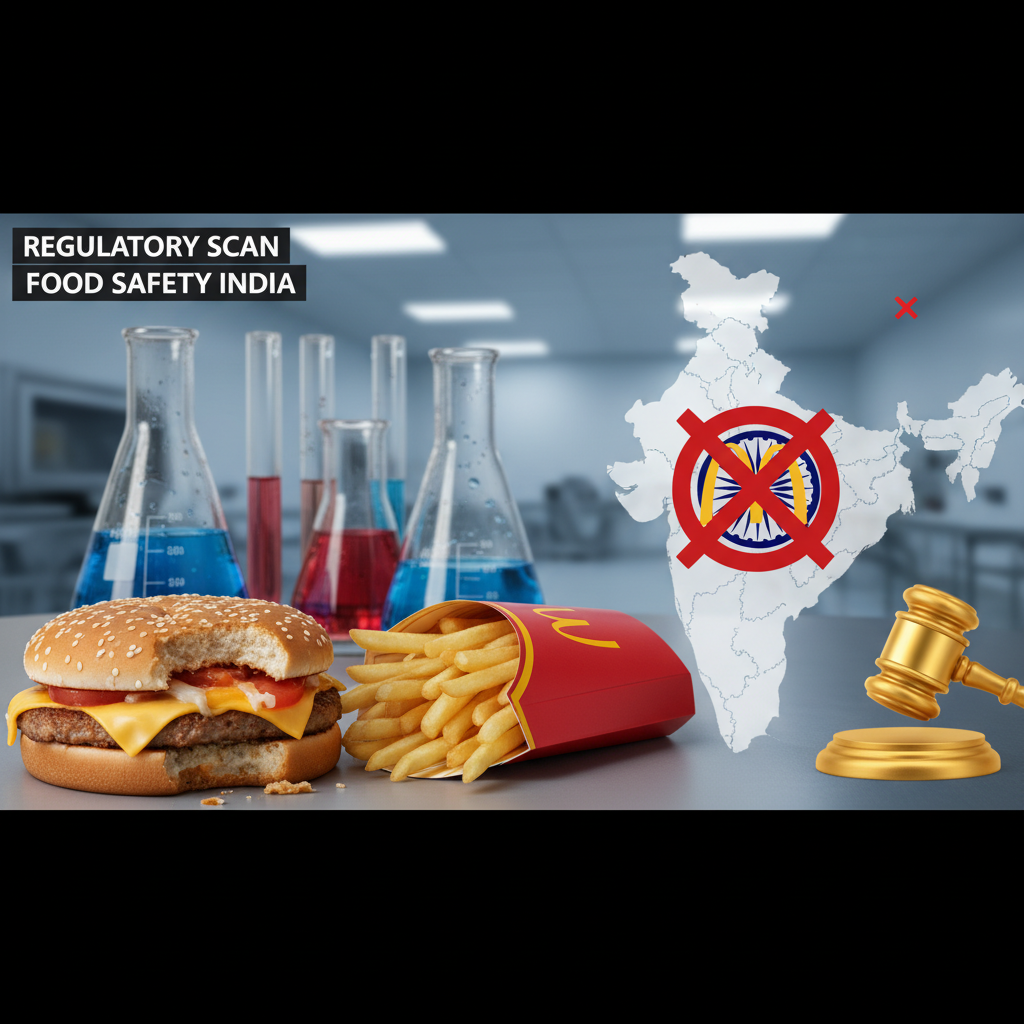
McDonald’s India Faces Regulatory Scrutiny Over Food Safety Violations
In a recent development that has raised eyebrows within the food industry, McDonald’s India has found itself under the regulatory spotlight. An outlet in Jaipur, India, was issued a warning by Indian food safety officials following an inspection. The inspection uncovered significant lapses in food safety protocols, specifically concerning the quality of ingredients used in food preparation.
The Jaipur Incident: A Closer Look
The core of the issue revolves around several key findings. During the inspection, officials discovered the use of rotten tomatoes, a clear violation of food safety standards. Furthermore, the inspection revealed the use of cooking oil that was deemed unfit for consumption. These findings prompted immediate action, including the seizure of samples for further testing to ascertain the extent of the violations. The Indian food safety officials are now awaiting the results to determine the next steps.
According to the report, the McDonald’s outlet in Jaipur has been given 14 days to rectify the identified issues. This timeframe underscores the urgency with which the regulatory body is approaching the matter. Further inspections of other McDonald’s outlets within the city are planned, indicating a broader effort to ensure compliance with food safety regulations.
Food Safety Concerns: A Broader Perspective
This incident is not just a localized issue; it highlights a broader concern regarding food safety standards and their enforcement. The presence of rotten tomatoes and reused oil in food preparation raises questions about the overall quality control measures and the adherence to established food safety protocols. The health implications of consuming food prepared with substandard ingredients are significant, making this a matter of public health concern.
The regulatory warning issued to McDonald’s India serves as a reminder of the critical importance of maintaining stringent food safety practices. It underscores the need for regular inspections, thorough quality checks, and the proper disposal of expired or substandard ingredients. The food processing industry, in general, has a responsibility to uphold these standards to protect consumers and maintain public trust.
Looking Ahead
The actions taken by the Indian food safety officials are a clear indication of their commitment to upholding food safety standards. The upcoming inspections of other McDonald’s outlets in Jaipur will provide further insight into the prevalence of similar issues. The 14-day window given to the McDonald’s outlet to correct its practices reflects a balance between addressing the violations and providing an opportunity for improvement. The outcome of this situation will undoubtedly influence future regulatory approaches and food safety practices within the region.
This incident also has implications for the policy landscape. It may prompt a review of existing food safety regulations and enforcement mechanisms. The goal is to ensure that all food establishments, including large multinational chains like McDonald’s, adhere to the highest standards of food safety. This case serves as a crucial example of how regulatory oversight plays a vital role in safeguarding public health and maintaining consumer confidence.
In conclusion, the regulatory warning issued to McDonald’s India is a significant event that underscores the importance of food safety. It serves as a reminder to the food processing industry of the need for rigorous standards and continuous monitoring. The actions taken by the Indian food safety officials and the response of McDonald’s India will be closely watched, setting a precedent for the industry as a whole.
Source: Industry-Economic Times
About the Author