India’s Banking Cash Glut: Opportunities and Policy Implications
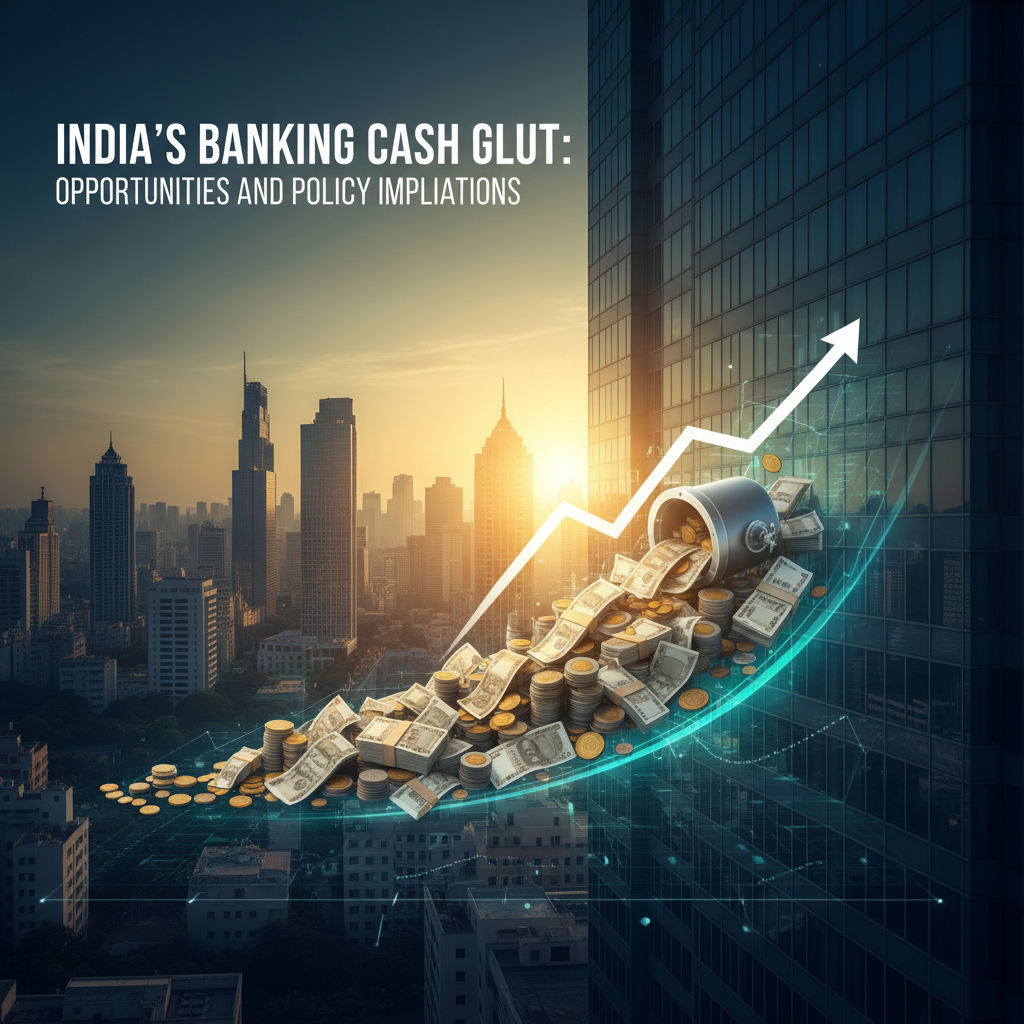
The Indian banking sector is currently navigating a significant shift in its financial landscape. What was once a tight liquidity environment just two months ago has transformed into a substantial cash surplus, the largest seen in six months. This sudden influx of cash has opened up new avenues for financial institutions, but it also presents a complex scenario for the RBI (Reserve Bank of India) and the broader economy. This article delves into the dynamics of this cash glut, exploring its causes, implications, and the policy decisions shaping the financial environment.
The Liquidity Shift: From Tightness to Surplus
The transformation in India’s banking sector’s liquidity position has been dramatic. The shift from a tight liquidity environment to a surplus indicates a significant influx of funds into the system. This change has caught the attention of analysts, who are keenly observing the RBI’s response and the impact on the economy. The RBI has, until now, refrained from draining any short-term cash from the market. This inaction is a key factor influencing the current situation and the subsequent strategies adopted by financial institutions. This is happening in India, where the banking sector is experiencing these shifts.
RBI’s Stance and Monetary Policy Transmission
The RBI’s decision to not drain the short-term cash surplus raises several questions about its monetary policy strategy. One potential explanation is that the RBI is allowing easier financial conditions. The why behind this is to facilitate the transmission of earlier rate cuts to the broader economy. By maintaining a surplus of liquidity, the RBI aims to encourage lending and stimulate economic activity. This approach is rooted in the understanding that lower interest rates, when effectively transmitted, can boost investment and consumption. This is a crucial aspect of the RBI’s policy, particularly in the context of managing economic growth and stability.
Arbitrage Opportunities for Lenders
The excess liquidity in the system creates arbitrage opportunities for lenders. What is arbitrage? It essentially means the ability to profit from the difference in interest rates across different markets. With a surplus of cash, banks can potentially borrow at lower rates and lend at higher rates, thereby increasing their profitability. This situation presents a favorable environment for banks to engage in lending activities, which could, in turn, boost economic growth. However, it also brings the risk of increased speculation and potential asset bubbles if not managed carefully. The when is now, as this is occurring in the current financial climate.
Broader Economic Implications
The cash glut has far-reaching implications for the Indian economy. While it can stimulate lending and investment, it also poses risks. One of the main concerns is the potential for inflation. Excess liquidity can lead to an increase in the money supply, which, if not managed effectively, can push up prices. Furthermore, the easier financial conditions might not translate into real economic activity if businesses and consumers lack confidence. The how that this plays out depends on several factors, including global economic conditions and government policies. The where is in India, where these economic factors are influencing the financial markets.
Conclusion
The current cash glut in India’s banking sector is a dynamic situation with both opportunities and risks. The RBI’s policy decisions play a crucial role in managing this scenario, ensuring that the benefits of increased liquidity are realized while mitigating potential adverse effects. As the situation evolves, it will be essential to monitor the impact on inflation, lending, and overall economic growth. The interplay between monetary policy, market dynamics, and economic performance will determine the long-term outcomes of this significant shift in the Indian financial landscape. The when is now, and the actions taken today will shape the future.
About the Author