India-EU Free Trade Agreement: Ushering in a New Era for Organic Food
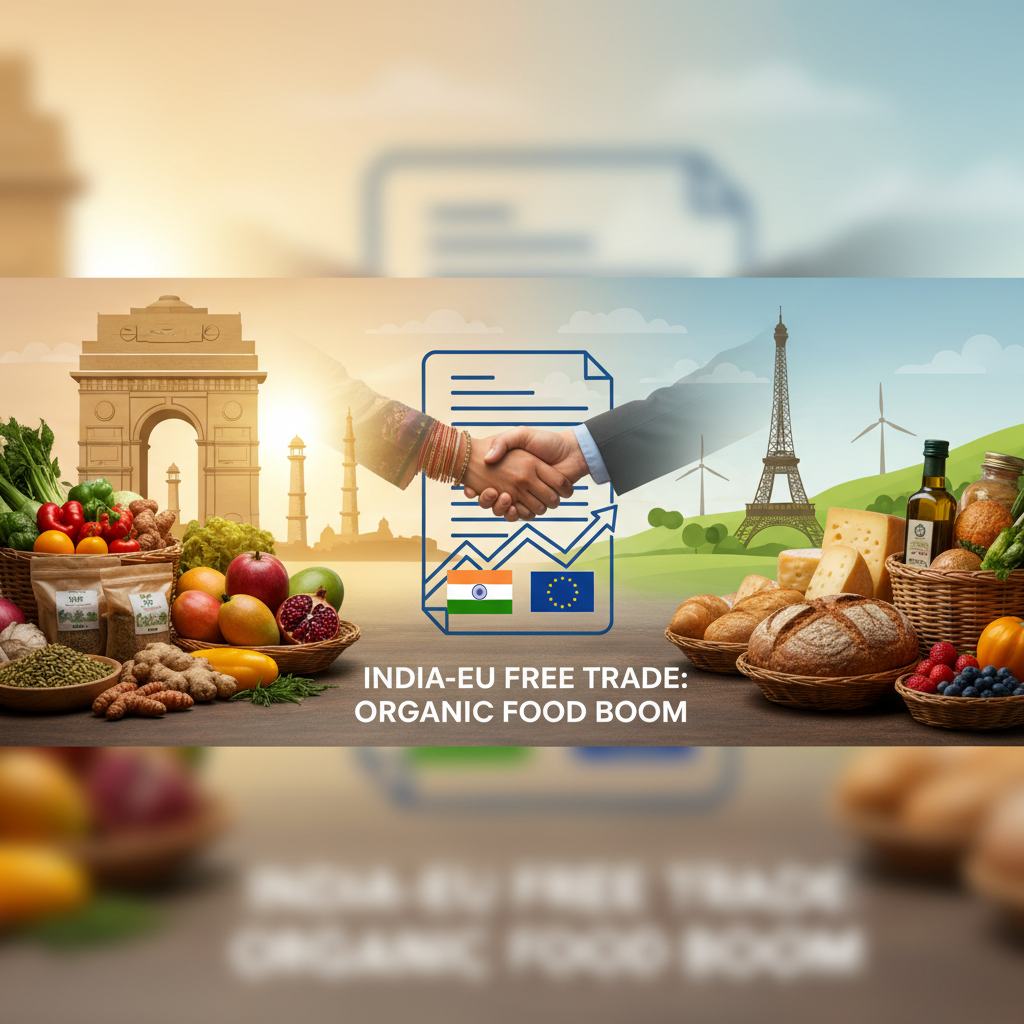
The landscape of global trade is poised for a significant transformation, particularly within the organic food sector. A recent announcement reveals a free trade agreement between India and the European Union (EU), sparking considerable optimism among industry stakeholders. This pact is not merely a formality; it represents a strategic move designed to boost organic food trade and open up significant market access for both regions. The potential benefits are considerable, promising to reshape the dynamics of the food industry.
Unlocking Opportunities: The Impact on Indian Exporters
For Indian organic product exporters, the implications of this agreement are particularly promising. The EU, with its stringent standards and discerning consumer base, presents a lucrative market. The free trade agreement offers these exporters a competitive edge by streamlining processes and reducing barriers to entry. This means greater opportunities for Indian businesses to showcase their products, from spices and grains to teas and fruits, to a wider audience. The EU market, known for its high demand for organic produce, is now more accessible than ever before.
A Two-Way Street: European Companies Eye the Indian Market
The benefits of this free trade agreement extend beyond India. European companies are equally enthusiastic, recognizing the immense potential of the Indian market. With a rapidly growing middle class and increasing awareness of health and wellness, India represents a vast consumer base for organic products. The agreement provides a pathway for European businesses to tap into this market, offering a diverse range of products to Indian consumers. This mutual exchange is set to foster a vibrant and competitive market, benefiting both producers and consumers.
Streamlining the Process: Certification and Market Access
One of the key aspects of this agreement is the focus on efficiency. Both India and the EU are committed to streamlining certification processes. This is crucial for facilitating smoother trade and ensuring that products meet the necessary standards. By simplifying these procedures, the agreement aims to reduce red tape and expedite the movement of goods. This will not only make it easier for companies to enter the market but also ensure that consumers have access to safe, high-quality organic products. The goal is to create a transparent and efficient system that benefits all parties involved.
The Role of Certification
The certification process is a cornerstone of the organic food industry. It assures consumers that products have been produced in accordance with specific standards. The free trade agreement recognizes the importance of this process and aims to harmonize standards between India and the EU. This means that products certified in one region will be more readily accepted in the other, reducing the need for multiple certifications and making market access easier. This harmonization is essential for fostering trust and confidence in organic products.
Looking Ahead: The Future of India-EU Organic Food Trade
The free trade agreement between India and the EU represents a significant step forward for the organic food industry. By reducing barriers to trade, streamlining processes, and opening up new markets, the agreement is poised to reshape the landscape of international food trade. This is a win-win scenario, offering benefits to both Indian exporters and European companies, while also providing consumers with greater access to high-quality organic products. The future looks bright for organic food trade between India and the EU.
Source: Industry-Economic Times
About the Author