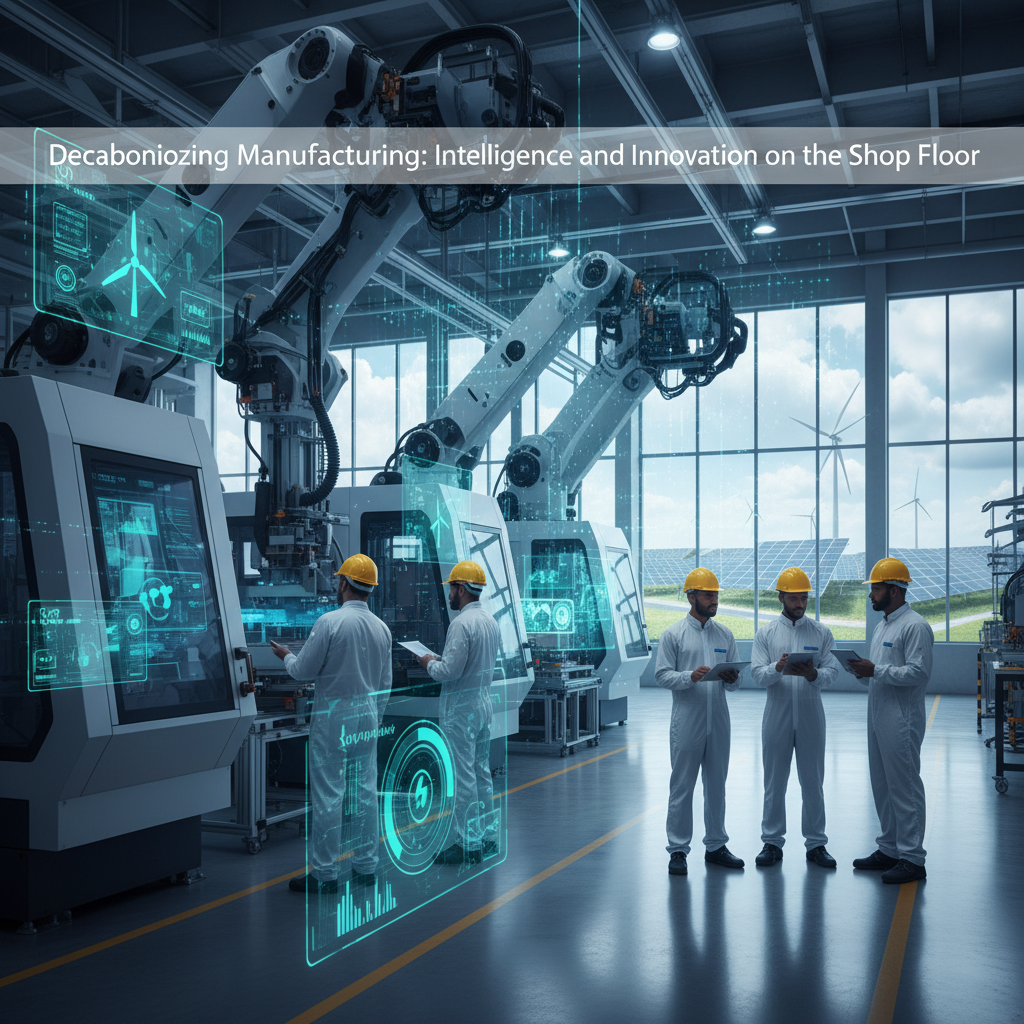
Decarbonizing Manufacturing: Intelligence and Innovation on the Shop Floor
The manufacturing sector stands at a critical juncture. Faced with increasing pressure to reduce its environmental footprint, the industry is actively seeking innovative strategies to achieve meaningful emissions reductions. At the IIOTM2026 event, a consensus emerged: the key lies in embedding intelligence across all aspects of manufacturing processes. Industry leaders and executives emphasized the need for a multifaceted approach that converges artificial intelligence (AI), onsite renewable energy sources, and rigorous operational discipline on the shop floor. This strategic convergence is not just a trend; it’s a necessity for the future of sustainable manufacturing.
The Convergence of Key Elements
The core of this transformation involves a strategic convergence of several key elements. According to the insights shared at IIOTM2026, the integration of AI is paramount. AI-driven solutions can optimize energy consumption, predict equipment failures, and streamline processes, thereby reducing waste and emissions. Simultaneously, the adoption of onsite renewables is gaining momentum. Solar panels, wind turbines, and other renewable energy sources are increasingly being deployed directly within manufacturing facilities, reducing reliance on fossil fuels and lowering the carbon footprint. Furthermore, operational discipline plays a crucial role. Implementing rigorous monitoring, maintenance, and process optimization practices ensures that all systems operate at peak efficiency, minimizing energy waste and emissions.
The Role of AI in Driving Decarbonization
AI’s role extends far beyond simple automation. At the heart of decarbonization efforts, AI can analyze vast datasets to identify areas for improvement. This includes optimizing energy usage in real-time, predicting and preventing equipment failures, and streamlining production processes to reduce waste. For example, AI algorithms can analyze energy consumption patterns to identify inefficiencies, allowing manufacturers to make data-driven decisions about equipment upgrades or process modifications. AI-powered predictive maintenance can anticipate equipment failures before they occur, preventing downtime and reducing the need for new equipment, thereby minimizing emissions associated with manufacturing new machinery.
Harnessing Onsite Renewables
The shift towards onsite renewable energy sources is another cornerstone of decarbonization efforts. By generating power directly within their facilities, manufacturers can significantly reduce their reliance on the traditional grid, which often relies on fossil fuels. This approach not only lowers carbon emissions but also provides greater control over energy costs and supply. Solar installations on rooftops, wind turbines on factory grounds, and even the use of biogas from waste streams are becoming increasingly common. These investments demonstrate a commitment to sustainability and provide tangible benefits in terms of environmental impact and operational efficiency. The integration of renewable energy sources is a tangible way to reduce the carbon footprint of manufacturing operations.
Operational Discipline: The Foundation for Efficiency
While AI and renewable energy are critical, they are not effective without robust operational discipline. This includes a commitment to meticulous monitoring of energy consumption, regular maintenance of equipment, and continuous optimization of processes. By closely monitoring energy usage, manufacturers can identify and address inefficiencies promptly. Regular maintenance programs help ensure that equipment operates at peak performance, reducing energy waste and extending the lifespan of machinery. Furthermore, process optimization, such as streamlining production lines and reducing material waste, can significantly decrease the environmental impact of manufacturing operations. This foundation of operational excellence is essential for realizing the full potential of AI and renewable energy investments.
Why This Matters: Driving Meaningful Emissions Reduction
The ultimate goal of these combined efforts, as discussed at IIOTM2026, is to drive meaningful emissions reduction. By converging AI, onsite renewables, and operational discipline on the shop floor, manufacturers can significantly reduce their carbon footprint and contribute to a more sustainable future. This proactive approach not only benefits the environment but also enhances operational efficiency, reduces costs, and improves a company’s reputation. The executives at IIOTM2026 understood that embracing these strategies is not just a regulatory requirement, but a strategic imperative that will define the future of the manufacturing sector. The insights shared at the event underscored the importance of proactive measures in achieving sustainability goals.
Conclusion
The path to decarbonizing manufacturing is multifaceted, requiring a strategic blend of technological innovation, sustainable energy practices, and operational excellence. As industry leaders and executives highlighted at IIOTM2026, the integration of AI, onsite renewables, and operational discipline is not just a trend, but a fundamental shift towards a more sustainable and efficient future. By embracing these strategies, manufacturers can not only reduce their environmental impact but also enhance their competitiveness and contribute to a healthier planet. The convergence of these elements on the shop floor represents a significant step towards achieving meaningful emissions reductions and creating a more sustainable manufacturing ecosystem.
About the Author