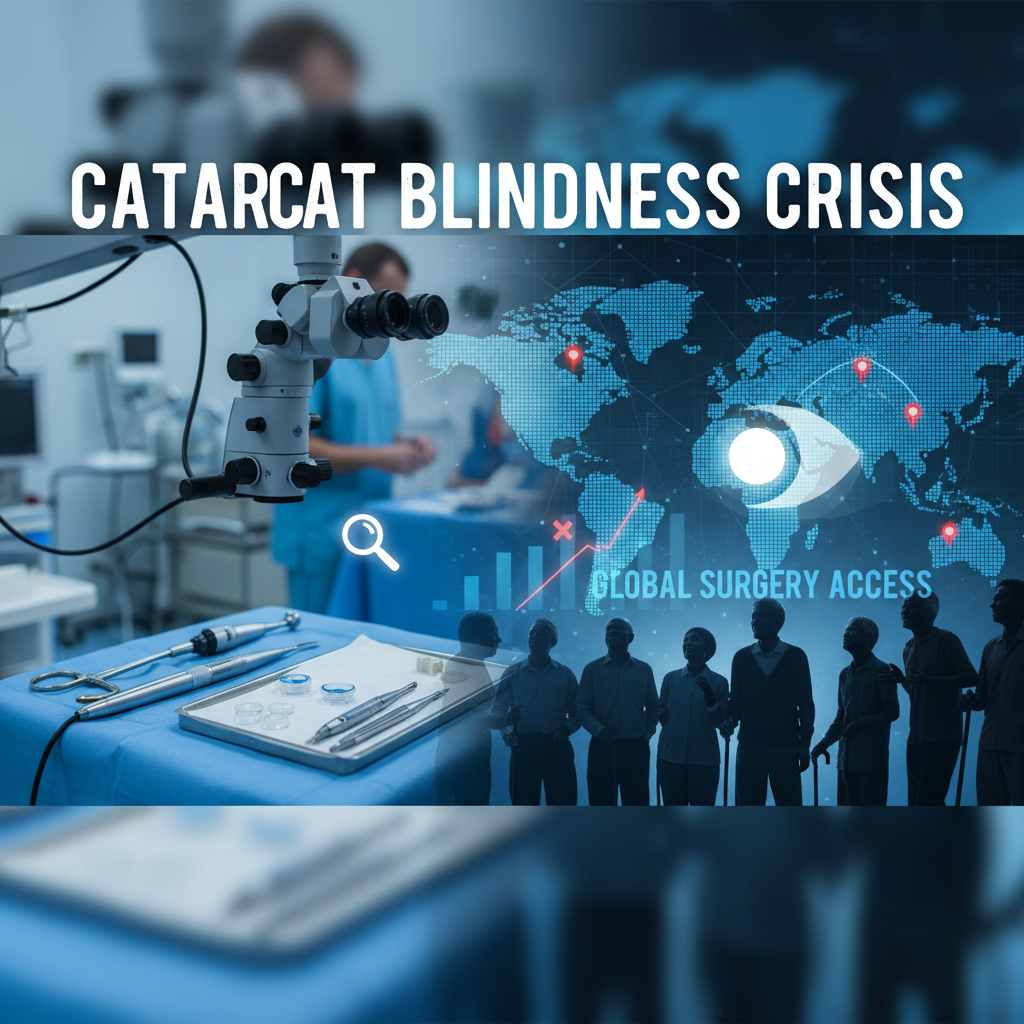
Cataract Blindness Crisis: Global Surgery Access Falling Short
The stark reality of global healthcare disparities is once again laid bare. A recent study published in The Lancet reveals a concerning truth: despite advancements in medical technology, millions worldwide still face the debilitating effects of cataract blindness due to a lack of access to a simple, life-changing procedure – cataract surgery. The World Health Organisation (WHO) is now urging countries to dramatically accelerate their efforts to address this critical public health issue.
The Unmet Need: A Global Perspective
The study paints a sobering picture. While cataract surgery is a relatively straightforward and highly effective procedure, access remains a significant barrier for a substantial portion of the global population. This is particularly concerning given the significant impact of cataracts on an individual’s quality of life and the economic burden associated with vision impairment. The WHO’s call to action underscores the urgency of the situation and the need for a concerted global effort.
Key Challenges and Solutions
The primary challenge lies in ensuring that the necessary resources and infrastructure are in place to deliver cataract surgery to those who need it. This includes addressing issues related to healthcare access, affordability, and the availability of trained medical professionals. The WHO has identified several key strategies to address these challenges:
- Integrating Eye Care into Primary Health Services: This approach aims to bring eye care services closer to communities, making it easier for people to access screening, diagnosis, and treatment.
- Expanding the Healthcare Workforce: Increasing the number of trained ophthalmologists, nurses, and other healthcare professionals specializing in eye care is crucial to meet the growing demand for services.
These strategies are essential to achieving the global targets set for reducing preventable blindness. The WHO emphasizes the importance of collaboration between governments, healthcare providers, and other stakeholders to implement these solutions effectively.
Policy Implications and the Path Forward
The findings of this study have significant implications for health policy worldwide. Governments and international organizations must prioritize eye care within their healthcare agendas, allocating sufficient resources to address the challenges outlined. This includes investing in infrastructure, training healthcare professionals, and implementing policies that promote equitable access to cataract surgery. The WHO’s guidance and support are crucial in this process.
Furthermore, the study highlights the need for ongoing monitoring and evaluation to track progress and identify areas where additional efforts are needed. Regular assessments of healthcare access, surgical outcomes, and patient satisfaction are essential to ensure that interventions are effective and aligned with the needs of the population. The WHO’s role in providing technical assistance and setting standards is vital in this regard.
Conclusion
The fight against cataract blindness is far from over. While advancements in medical technology have made cataract surgery a safe and effective procedure, millions of people worldwide still lack access to this life-changing treatment. Addressing this challenge requires a concerted global effort, with a focus on integrating eye care into primary health services, expanding the healthcare workforce, and implementing sound health policies. The WHO’s leadership and collaboration between various stakeholders are crucial in achieving the global targets and ensuring that everyone has the opportunity to see the world clearly.
Source: Industry-Economic Times
About the Author