Vande Bharat Fares: India’s Affordable Rail Advantage
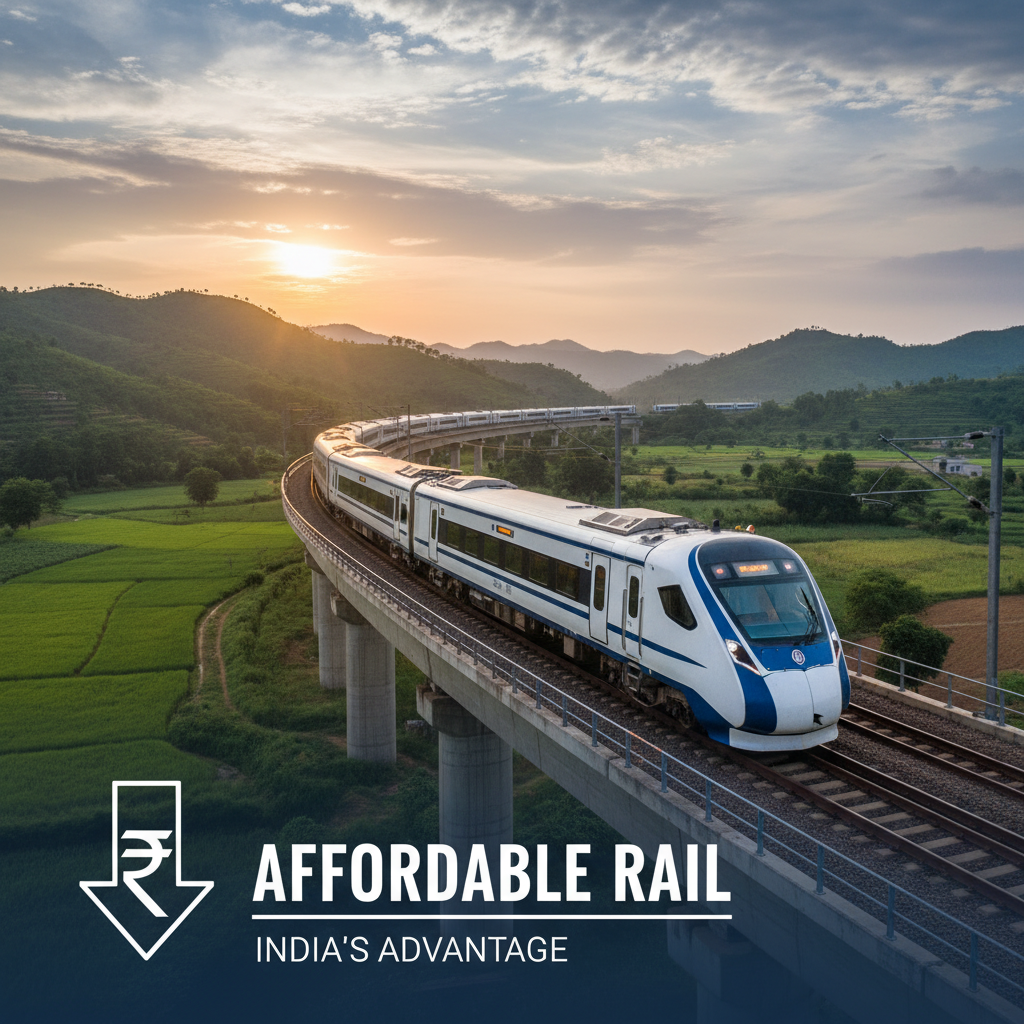
In a landscape where infrastructure costs and operational expenses often dictate high prices, India’s railway system stands out by offering remarkably affordable travel options. Specifically, the Vande Bharat Express, a modern train service, provides an economical travel alternative, as highlighted by recent reports. This strategic pricing not only benefits passengers but also supports the continued expansion of these crucial services across the country.
The Economics of Rail Travel
The affordability of Vande Bharat train fares is a cornerstone of its success and a key factor in its widespread adoption. This approach contrasts sharply with the pricing strategies of other nations, such as China, Japan, and France, where similar rail services come with a higher price tag. The lower fares offered by Indian Railways are not merely a matter of economic strategy; they are a deliberate effort to make modern rail travel accessible to a broader segment of the population.
Ashwini Vaishnaw on India’s Rail Strategy
As noted by Ashwini Vaishnaw, the Minister of Railways, the pricing of Vande Bharat services plays a crucial role in the expansion strategy. By keeping fares low, the Indian Railways can encourage greater passenger demand. This strategy is essential for the sustained growth of the rail network across India.
Comparative Analysis of Train Fares
When comparing the AC chair car fare of Vande Bharat trains with similar services in countries like China, Japan, and France, the difference is striking. India’s commitment to economical travel options is evident in the pricing structure, making rail travel a viable and attractive option for a wider audience. This approach aligns with the broader goal of enhancing connectivity and accessibility throughout the nation.
Impact on Passengers and the Economy
The low fares of the Vande Bharat trains directly benefit passengers by providing affordable and efficient transportation. This affordability encourages more people to choose rail travel, reducing the reliance on more expensive or less sustainable modes of transport. This shift has broader economic implications, supporting tourism, commerce, and overall economic growth. By making rail travel more accessible, India is fostering a more inclusive and interconnected society.
Strategic Implications and Future Prospects
The success of the Vande Bharat model suggests a strategic approach to infrastructure development that prioritizes both modern technology and affordability. This approach positions the Indian Railways favorably in the global context, demonstrating a commitment to providing high-quality services at competitive prices. As the network continues to expand, the focus on economical travel options will likely remain a key factor in its sustained growth and positive impact on the Indian economy.
The Indian Railways’ strategy of offering lower fares for the Vande Bharat trains is a testament to its commitment to providing accessible and efficient transportation. This approach not only benefits passengers directly but also supports the country’s broader economic and social goals. The emphasis on affordability, combined with modern technology, positions the Indian Railways for continued success in the years to come.
About the Author